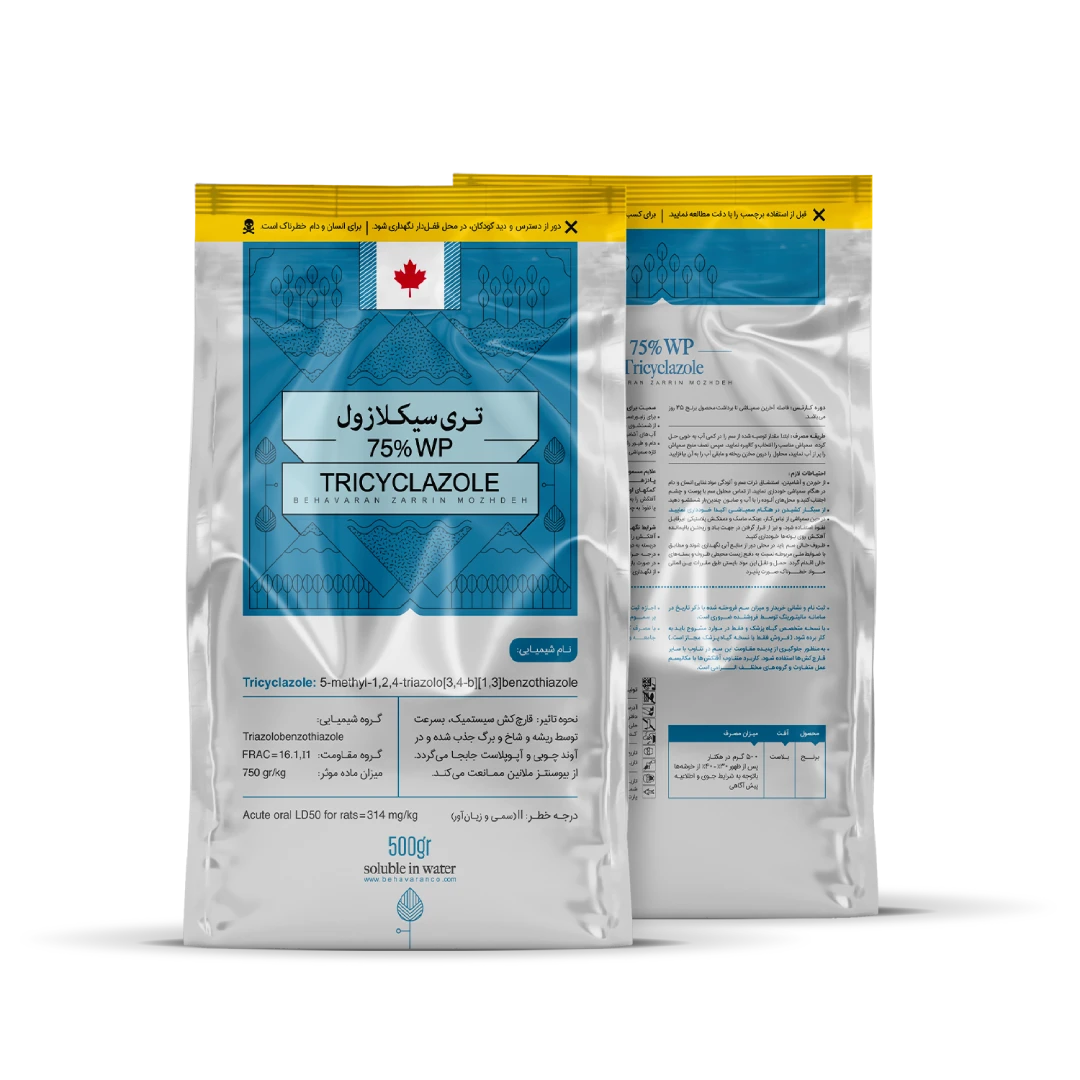
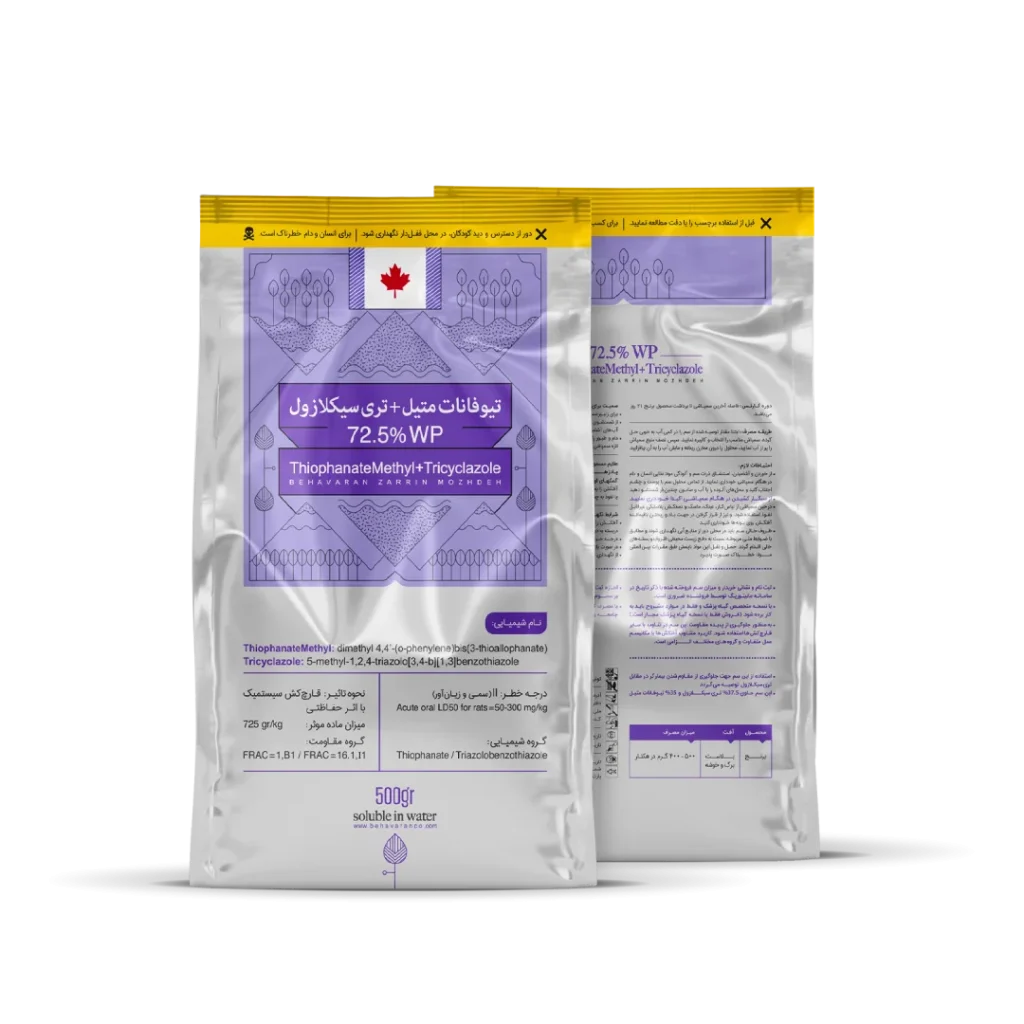
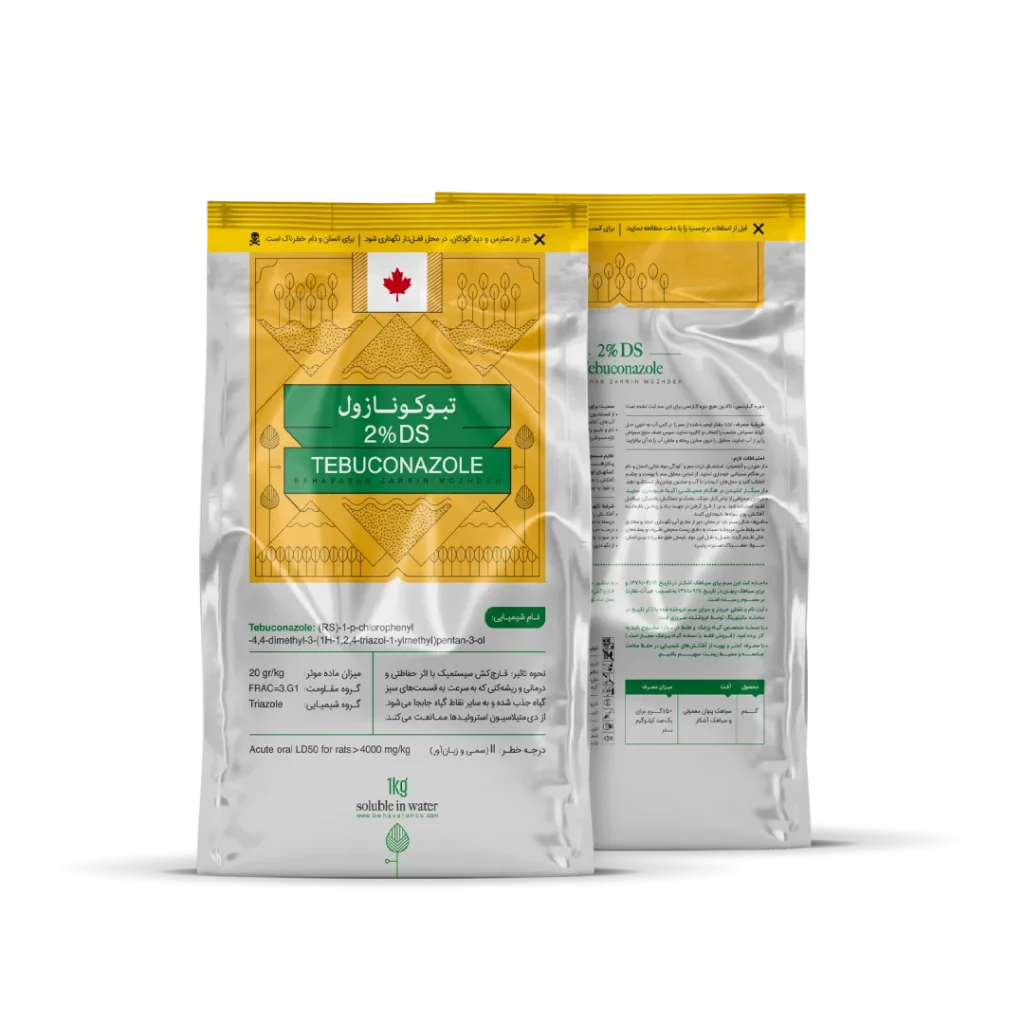
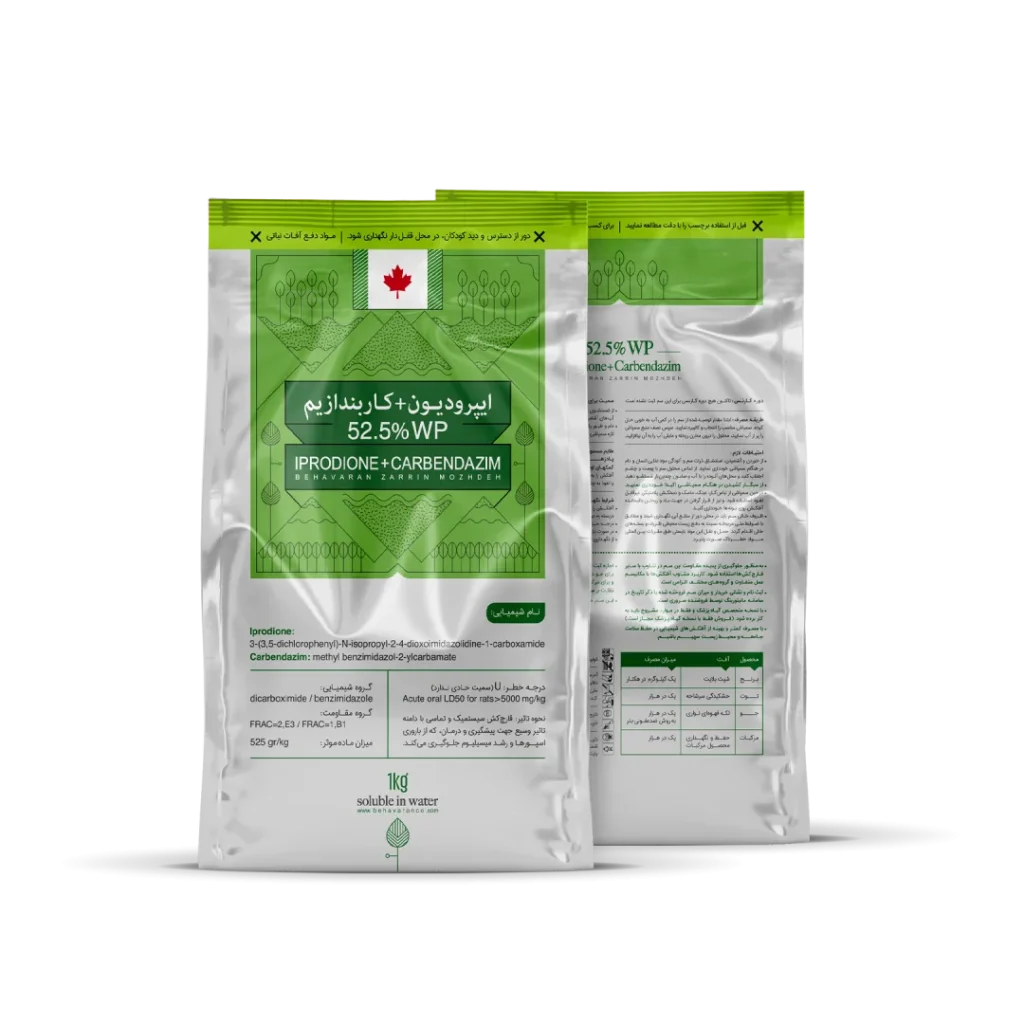
A systemic fungicide from the triazolobenzothiazole family and is specific for rice blast disease. It is known in the world as the most effective substance for crown, leaf and panicle blast disease of rice. Tricyclazole is rapidly absorbed by leaves and young tissues and prevents the penetration and development of infection by preventing the production of melanin in the blast-causing fungus. Due to its specificity, this fungicide is not recommended for many unrelated fungi and its main use is only in rice.
Mode of Action
Systemic fungicide from the triazolobenzothiazole family and its mode of action is to prevent melanin synthesis, as a result of which the fungus loses its ability to penetrate the plant and further infection of the plant is prevented. Specific inhibitor of the melanin synthesis pathway in the fungus Pyricularia oryzae Has a short-term systemic effect and is rapidly absorbed by young rice organs.
Uses
In most countries and Iran, it is used to control rice blast. To control rice blast disease, the produced seedlings can be immersed in a solution containing tricyclazole or sprayed on the aerial parts of the plant. Of course, a combination of both methods is more effective. This poison is compatible with other poisons, but should not be mixed with alkaline poisons.
The period of Karnes on rice is 35 days.
Product
Diseases
Consumption rate
Rice
Rice blast disease
500 grams per hectare
Additional information
Packaging
1000gr
Formulation
WP75%
Resistance group
FRAC=16.1,I1
Chemical group
Triazolobenzothiazole
Amount of active ingredient
750gr/Kg
Use only for rice; it has no effect on other crops.
Avoid excessive use and without alternating with other pesticides (such as azoxystrobin or trifloxystrobin) to avoid the development of fungal resistance.
Wear gloves, a mask, and work clothes when working.
Contact with skin and eyes should be washed immediately.
Avoid wind and drift of the pesticide to neighboring fields.
Use only when necessary in the final stages of growth (grain ripening).
Toxic to aquatic and freshwater organisms; discharge into waterways must be strictly controlled.
Relatively stable in soil, but slowly decomposes in flooded conditions.
Low risk to bees as it is not usually used during rice flowering.
Empty containers should be triple rinsed and disposed of according to chemical waste principles.
Avoid excessive use in rice flood irrigation systems to prevent water contamination.