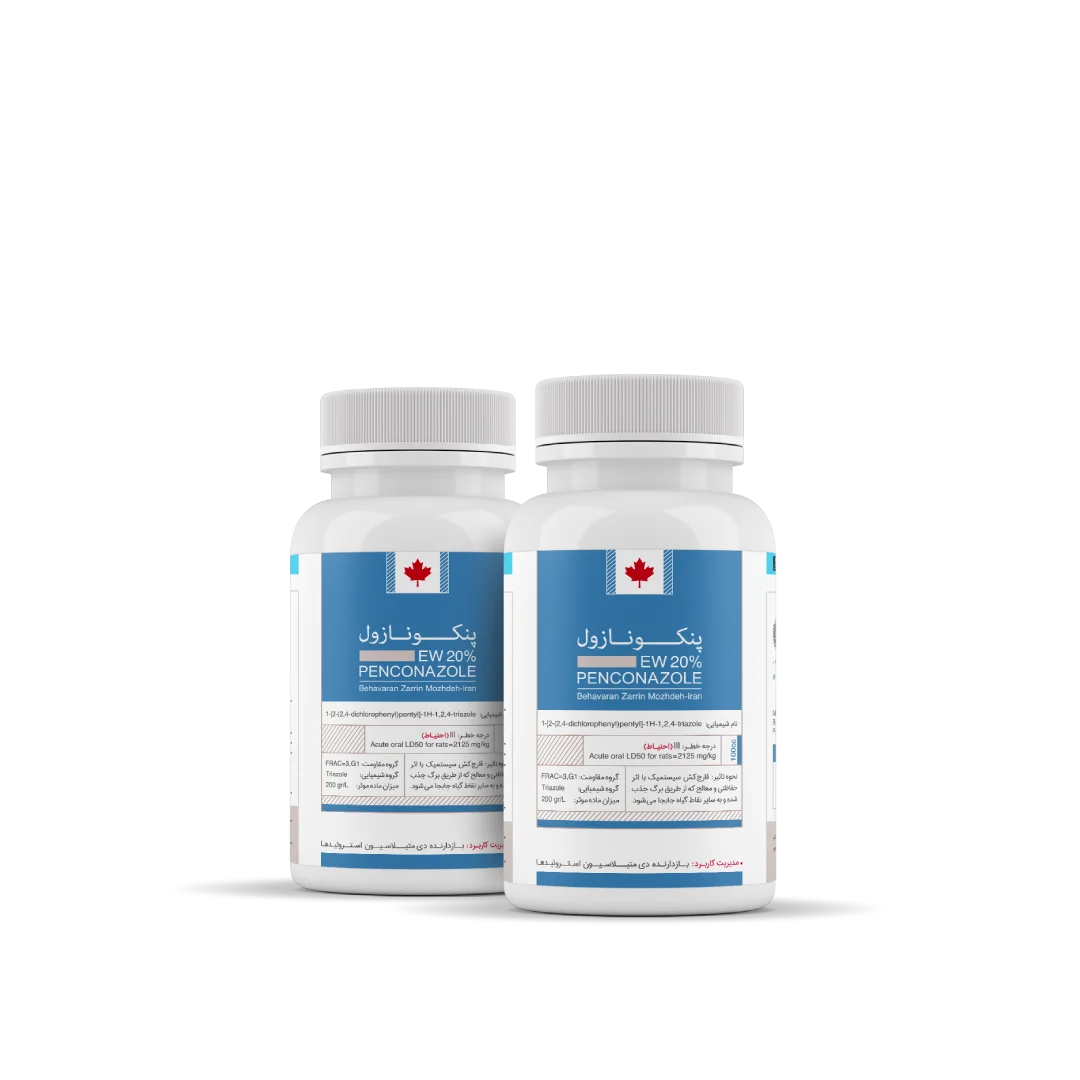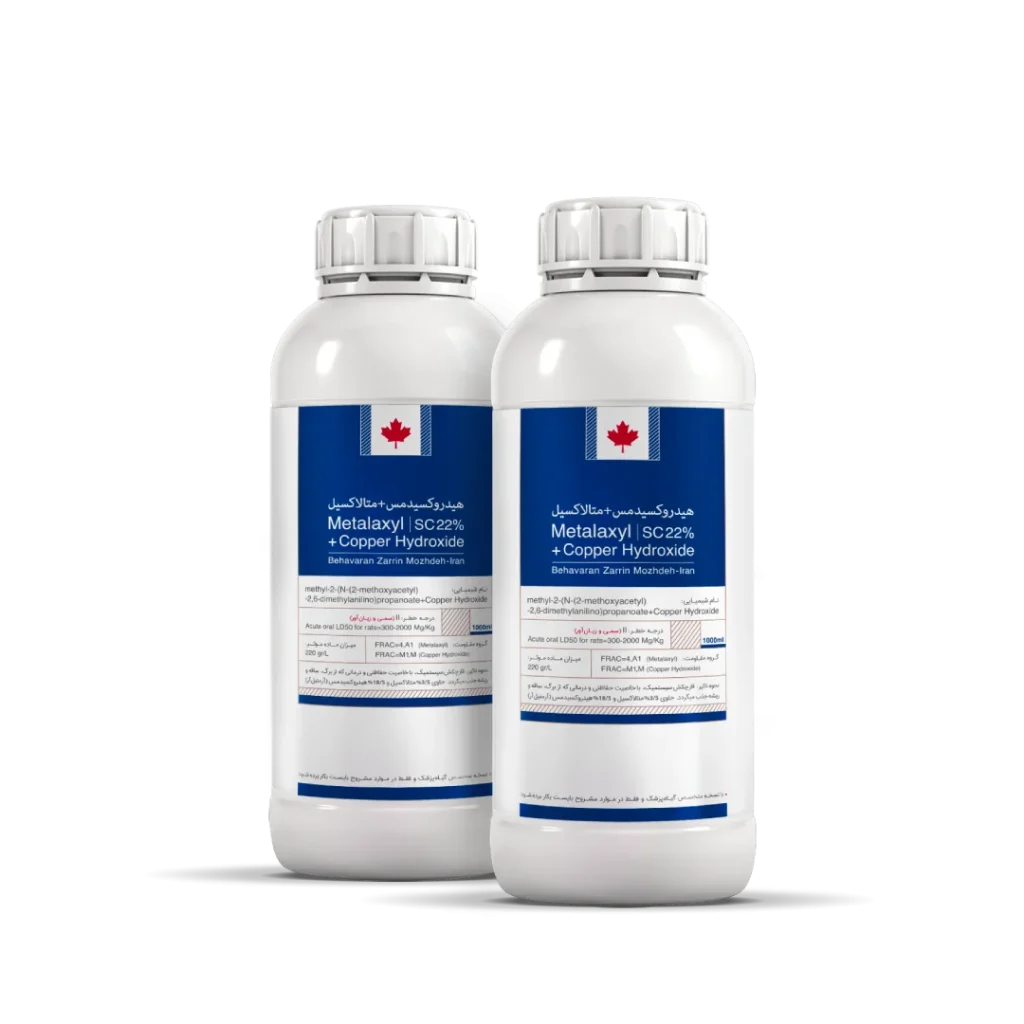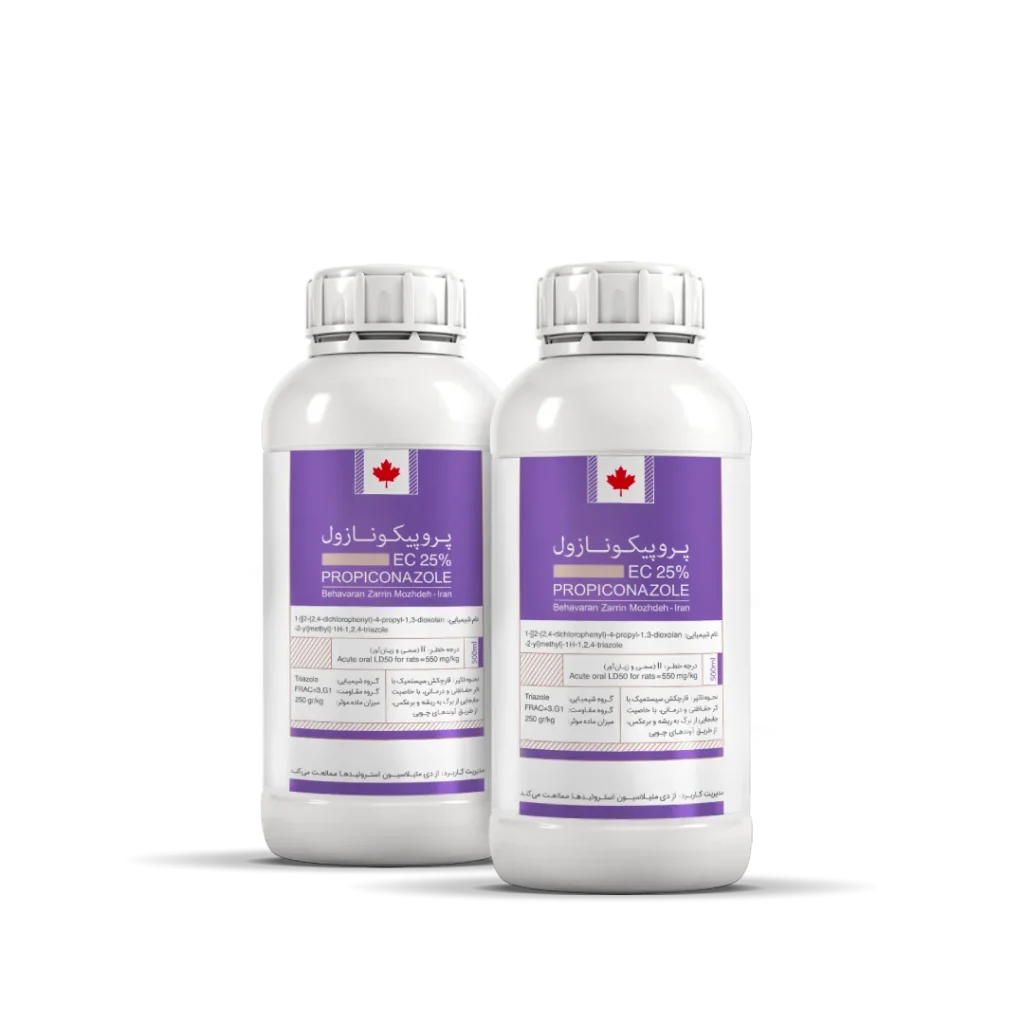
Penconazole fungicide by Behavaran is a systemic triazole fungicide with protective and curative activity for grape powdery mildew and other fungal diseases.
Penconazole (Topas) Behavaran is a systemic triazole fungicide with protective and curative activity, particularly suitable for the management of powdery mildew in grapevines.
After application, Penconazole is absorbed through plant leaves and moves within plant tissues, providing internal protection against susceptible fungal pathogens. Its systemic activity makes it especially useful in disease-management programs where protection of both treated tissues and developing plant growth is required.
Penconazole fungicide is widely associated with the control of powdery mildew and can also be used, according to local registrations, against several other fungal diseases affecting fruit crops, vegetables and ornamental plants.
100 ml
Penconazole belongs to the triazole group of systemic fungicides.
Its fungicidal activity is based on inhibition of the sterol 14-demethylase enzyme, an important enzyme involved in the biosynthesis of ergosterol.
Ergosterol is an essential component of fungal cell membranes. By disrupting sterol biosynthesis, Penconazole interferes with normal fungal growth and development and helps suppress the progression of infection.
Its systemic properties allow the active ingredient to be absorbed by foliage and translocated within plant tissues, giving the product both preventive and curative value when used according to label recommendations.
Penconazole offers several useful characteristics for fungal disease management:
One of the most important uses of Penconazole fungicide is the management of powdery mildew in grapevines.
Powdery mildew can affect leaves, shoots and developing berries and may reduce both yield and fruit quality when disease pressure is high.
Penconazole can be used as part of a preventive and early curative disease-management program to reduce powdery mildew development and protect susceptible grape tissues.
Target disease: Powdery mildew
Application rate: 125 ml per 1000 L of water
Application timing should follow local recommendations, disease pressure, crop stage and the approved product label.
Internationally, Penconazole is used in disease-management programs against susceptible fungal diseases such as:
Depending on registration, crops may include:
Permitted crops and application rates may vary between countries, so the official label and local registration requirements should always be followed.
Penconazole can provide both protective and curative effects.
When used preventively, it helps protect healthy plant tissues from infection. When applied during the early stages of disease development, its systemic activity may help limit fungal growth within susceptible tissues.
For best performance, fungicide applications should be timed according to disease risk and local crop-protection recommendations rather than waiting until severe symptoms develop.
According to the product information provided, the pre-harvest interval (PHI) is 14 days.
PHI requirements may vary by crop and country. Always follow the approved local label before application.
Becausepenconazole fungicidehas a specific mode of action, repeated use of the same fungicide group may increase the risk of resistance development.
For effective resistance management:
| Product | Diseases | Consumption rate |
|---|---|---|
| Grapevine | powdery mildew (surface) | 125 ml per 1000 L |
| Packaging | 100 ml |
|---|---|
| Formulation | EW20% |
| Resistance group | FRAC=3,G1 |
| Chemical group | Triazole |
| Amount of active ingredient | 200gr/L |