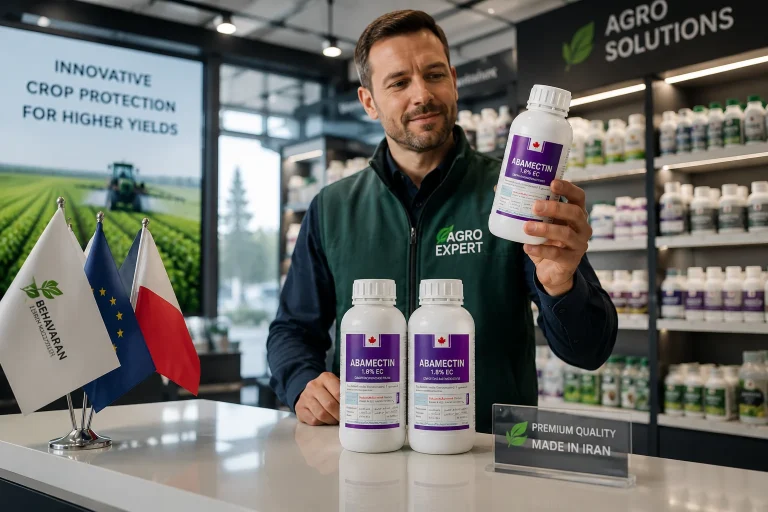
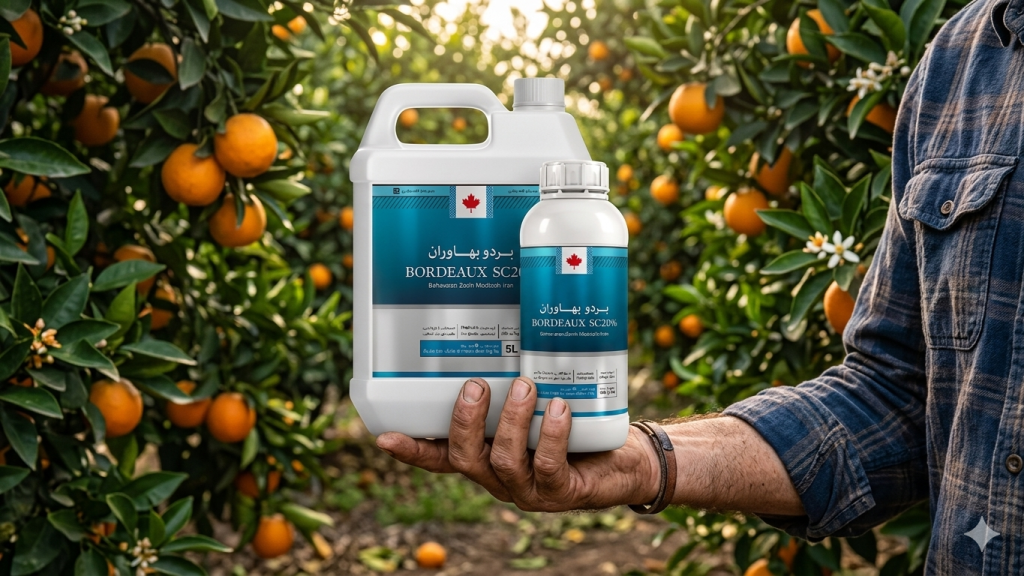
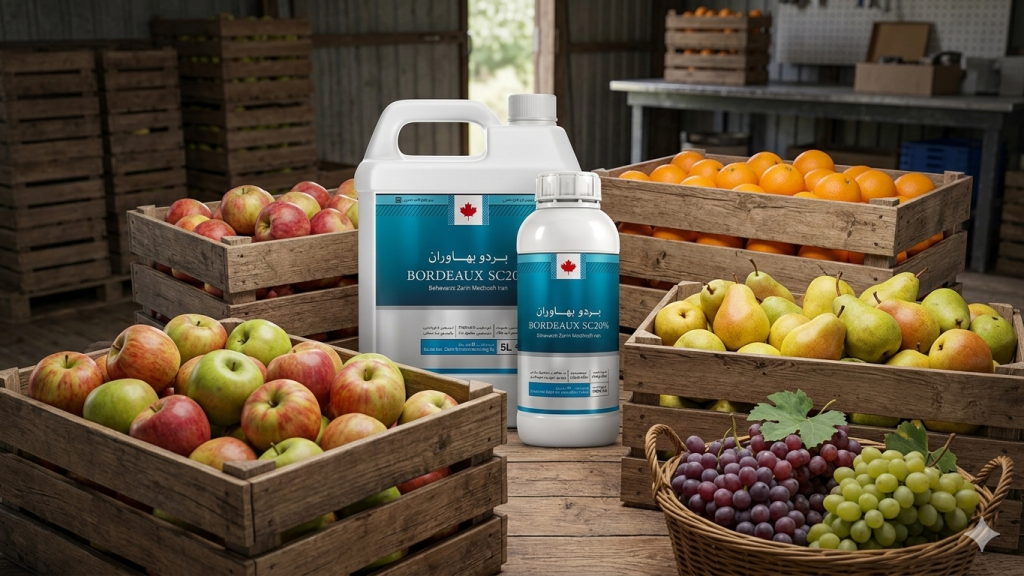
Thanks to its strong preventive action against fungal and bacterial diseases, Bordeaux fungicide has become an essential tool for farmers seeking reliable and cost-effective plant protection. Today, Bordofix and Bordeaux mixture are extensively used in countries such as France, the United States, Spain, Italy, India, and Iran for protecting crops like grapes, apples, citrus fruits, peaches, walnuts, pistachios, tomatoes, and cucumbers. In this comprehensive guide, we will explore the history of Bordeaux fungicide, its ingredients, how it works, its agricultural applications, major benefits, and its importance in both traditional and modern farming systems.
What Is Bordeaux Fungicide?
Bordeaux fungicide, also known as Bordeaux mixture, is a copper-based fungicide made from three primary ingredients: * Copper sulfate * Lime * Water. The active ingredient in Bordeaux fungicide is copper, which helps prevent the growth and spread of fungal spores and certain bacterial pathogens. Bordeaux fungicide acts mainly as a protective treatment, meaning it is most effective when applied before infection occurs. Bordofix is a commercial and stabilized formulation of Bordeaux fungicide designed for easier agricultural use. Compared to traditional homemade Bordeaux mixture, Bordofix offers improved consistency, easier application, and better storage stability.
The History of Bordeaux Fungicide
The history of Bordeaux fungicide dates back to the 19th century in the Bordeaux wine region of France. During that period, vineyards were severely affected by downy mildew, a destructive fungal disease that threatened grape production. French botanist Pierre-Marie-Alexis Millardet noticed that grapevines sprayed with a mixture of copper sulfate and lime appeared healthier and less infected than untreated vines. Farmers originally used this blue-colored mixture to discourage people from eating grapes along the roadside, but researchers later discovered its remarkable antifungal properties. This discovery led to the creation of Bordeaux mixture, widely recognized as the world’s first modern fungicide. Since then, Bordeaux fungicide has played a critical role in plant disease management across global agriculture.
Composition of Bordofix and Bordeaux Fungicide
1- Copper Sulfate Copper sulfate is the main active component in Bordeaux fungicide. It releases copper ions that interfere with the enzyme systems of fungi and bacteria, preventing their development and reproduction.
2-Lime Lime is added to reduce the acidity of copper sulfate. Without lime, copper sulfate alone could cause severe plant damage or leaf burn.
3-Water Water acts as the carrier and diluting agent, allowing the mixture to be sprayed evenly across plant surfaces.
How Bordeaux Fungicide Works?
Bordeaux fungicide works by forming a protective layer of copper on leaves, stems, and fruits. When fungal spores land on treated surfaces, the copper disrupts their metabolic activity and prevents germination. One of the biggest advantages of Bordofix and Bordeaux mixture is their resistance to rain wash-off. Once properly applied, the protective copper layer remains effective for an extended period, especially in humid environments where fungal diseases thrive. Because Bordeaux fungicide is preventive rather than curative, farmers are advised to apply it before disease symptoms appear.
Major Diseases Controlled by Bordeaux Fungicide
Downy Mildew in Grapes
Bordeaux fungicide became famous for controlling downy mildew in vineyards. This disease causes yellowing leaves, damaged grape clusters, and significant crop loss.
Apple Scab
Apple orchards worldwide use Bordofix to prevent apple scab, one of the most destructive fungal diseases affecting apples.
Peach Leaf Curl
Peach leaf curl causes distorted, reddish leaves and weakens trees over time. Bordeaux fungicide is highly effective when applied during the dormant season.
Bacterial Canker
Because copper has antibacterial properties, Bordeaux fungicide is commonly used to manage bacterial canker in fruit trees.
Anthracnose
Anthracnose affects crops such as walnuts, beans, mangoes, and various vegetables. Bordofix helps reduce disease spread and crop damage.
Late Blight in Potatoes and Tomatoes
Bordeaux fungicide is widely used to protect potatoes and tomatoes from late blight, a disease responsible for devastating agricultural losses worldwide.
Fungal Diseases in Cucumbers and Greenhouse Crops
Greenhouse growers often apply Bordofix to prevent fungal outbreaks in cucumbers, tomatoes, peppers, and ornamental plants.
Uses of Bordofix in Iran In Iran
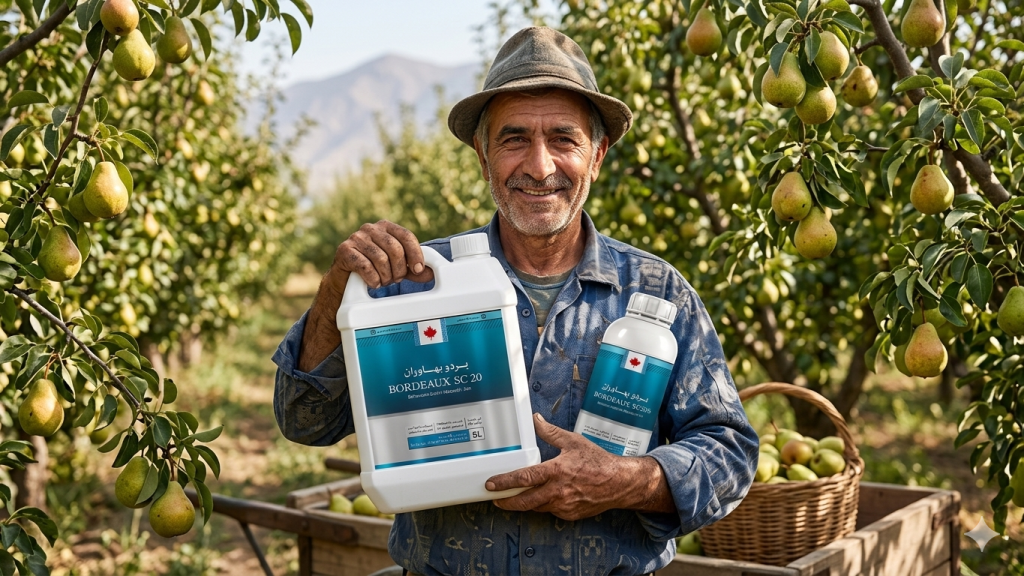
- Bordo Bahavaran is one of the most effective and powerful copper-based fungicides in Iran, offering strong protective and curative effects in controlling various plant diseases. It is considered a low-risk mineral fungicide and is used for a wide range of diseases in greenhouses, fruit orchards, and vegetable and cucurbit crops.
- Bordofix and Bordeaux fungicide are widely used in commercial agriculture due to their affordability and effectiveness.
- Vineyards
Iranian grape growers rely on Bordeaux fungicide to control downy mildew and other fungal diseases.
- Citrus Orchards
Bordofix is commonly used in citrus orchards to manage gummosis and bacterial diseases.
- Apple and Pear Orchards
Farmers apply Bordeaux fungicide to reduce apple scab and leaf spot diseases.
- Stone Fruits Peach, apricot, plum, and nectarine orchards
use Bordofix during winter dormancy to prevent peach leaf curl and canker.
- Pistachio and Walnut Orchards
- Copper-based fungicides are widely used in Iranian pistachio and walnut production for fungal and bacterial disease prevention.
- Greenhouse Agriculture Greenhouse producers use Bordofix in tomato and cucumber cultivation to reduce fungal infections under humid conditions.
Global Applications of Bordeaux Fungicide
- France As the birthplace of Bordeaux mixture, France continues to use Bordeaux fungicide extensively in vineyards.
- United States In the U.S., Bordofix is commonly used in orchards producing apples, walnuts, peaches, and citrus fruits.
- Italy and Spain Mediterranean countries rely heavily on Bordeaux fungicide for vineyards and olive groves.
- India Indian farmers use Bordeaux fungicide in vegetable cultivation and fruit farming due to its broad-spectrum disease protection.
- Benefits of Using Bordofix and Bordeaux Fungicide ##
- Broad-Spectrum Disease Control Bordeaux fungicide is effective against many fungal and bacterial diseases affecting fruits, vegetables, and ornamental plants.
- Cost-Effective Solution Compared to many modern fungicides, Bordofix is relatively affordable and accessible for farmers.
- Reduced Resistance Development Unlike some synthetic fungicides, copper-based fungicides have a lower risk of resistance development because copper affects multiple biological pathways in pathogens.
- Long-Lasting Protection Bordeaux fungicide adheres well to plant surfaces and provides durable protection even after rainfall.
- Suitable for Organic Farming Many organic farming systems allow limited use of copper-based fungicides such as Bordofix due to their natural mineral origin.
Disadvantages of Bordeaux Fungicide
Copper Accumulation in Soil Long-term overuse of Bordeaux fungicide may lead to copper buildup in agricultural soils, potentially affecting soil microorganisms.
Risk of Plant Injury Improper application, especially in hot weather or at excessive concentrations, may cause leaf burn or fruit spotting.
Environmental Concerns
Copper compounds can be harmful to aquatic organisms if they contaminate water sources.
Human Safety Precautions
Farmers should wear gloves, masks, and protective eyewear when handling Bordofix and Bordeaux fungicide.
Best Time to Apply Bordofix
- The effectiveness of Bordeaux fungicide depends greatly on proper timing. Recommended application periods include:
- During tree dormancy
- Before rainy seasons
- After pruning
- Early spring
- Before disease symptoms appear
- Preventive application is always more effective than attempting to treat severe infections later.
Bordofix vs Other Copper Fungicides
Compared to copper oxychloride and copper hydroxide fungicides, Bordofix often provides stronger persistence on plant surfaces. However, improper use may also increase the risk of phytotoxicity. Modern copper fungicides may offer improved formulations, but Bordeaux fungicide remains highly popular due to its low cost and reliable disease control.
Important Safety Tips for Using Bordeaux Fungicide
- Always prepare fresh solutions before spraying
- Avoid spraying during extremely hot weather
- Test on sensitive plants before large-scale application
- Do not prepare Bordeaux mixture in metal containers Conclusion
- Bordofix and Bordeaux fungicide remain among the most trusted and widely used fungicides in global agriculture. Their long history, broad-spectrum disease control, affordability, and effectiveness make them essential tools for farmers and orchard managers worldwide.
- From vineyards in France to pistachio orchards in Iran and vegetable farms in India, Bordeaux fungicide continues to protect crops against serious fungal and bacterial diseases. Although responsible application is necessary to minimize environmental impact, Bordofix remains one of the most valuable fungicidal solutions available in both conventional and organic farming systems.
- For growers seeking reliable plant disease protection with proven historical success, Bordeaux fungicide and Bordofix continue to stand the test of time.
- Wear gloves, masks, and protective clothing * Follow agricultural guidelines and dosage recommendations carefully
Bordeaux Fungicide in Organic Agriculture
Bordeaux fungicide continues to play an important role in organic farming systems worldwide. Organic growers often use Bordofix as an alternative to synthetic fungicides. However, many countries now regulate copper application rates to reduce environmental risks associated with excessive copper accumulation in soil.
Conclusion
Bordofix and Bordeaux fungicide remain among the most trusted and widely used fungicides in global agriculture. Their long history, broad-spectrum disease control, affordability, and effectiveness make them essential tools for farmers and orchard managers worldwide. From vineyards in France to pistachio orchards in Iran and vegetable farms in India, Bordeaux fungicide continues to protect crops against serious fungal and bacterial diseases. Although responsible application is necessary to minimize environmental impact, Bordofix remains one of the most valuable fungicidal solutions available in both conventional and organic farming systems. For growers seeking reliable plant disease protection with proven historical success, Bordeaux fungicide and Bordofix continue to stand the test of time.