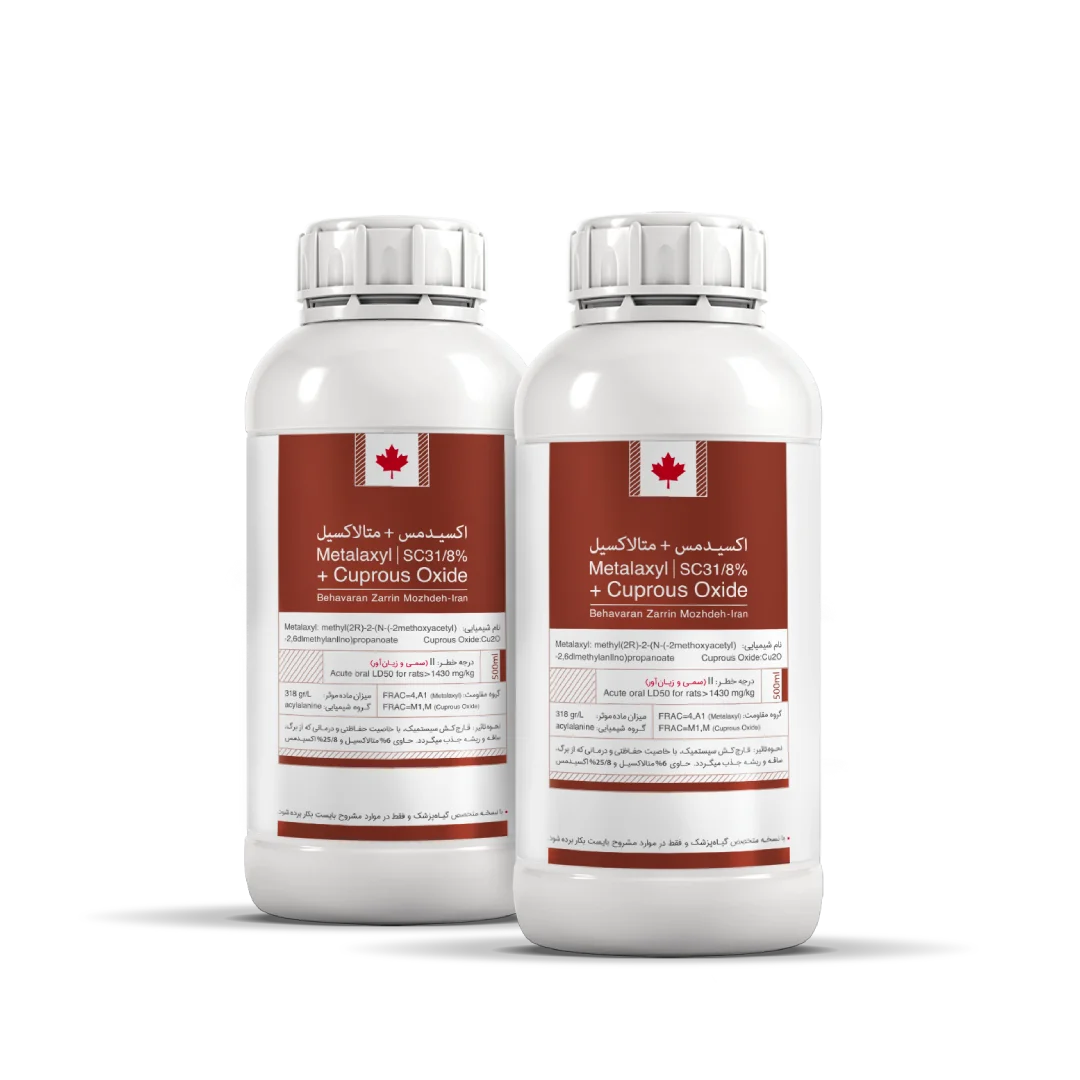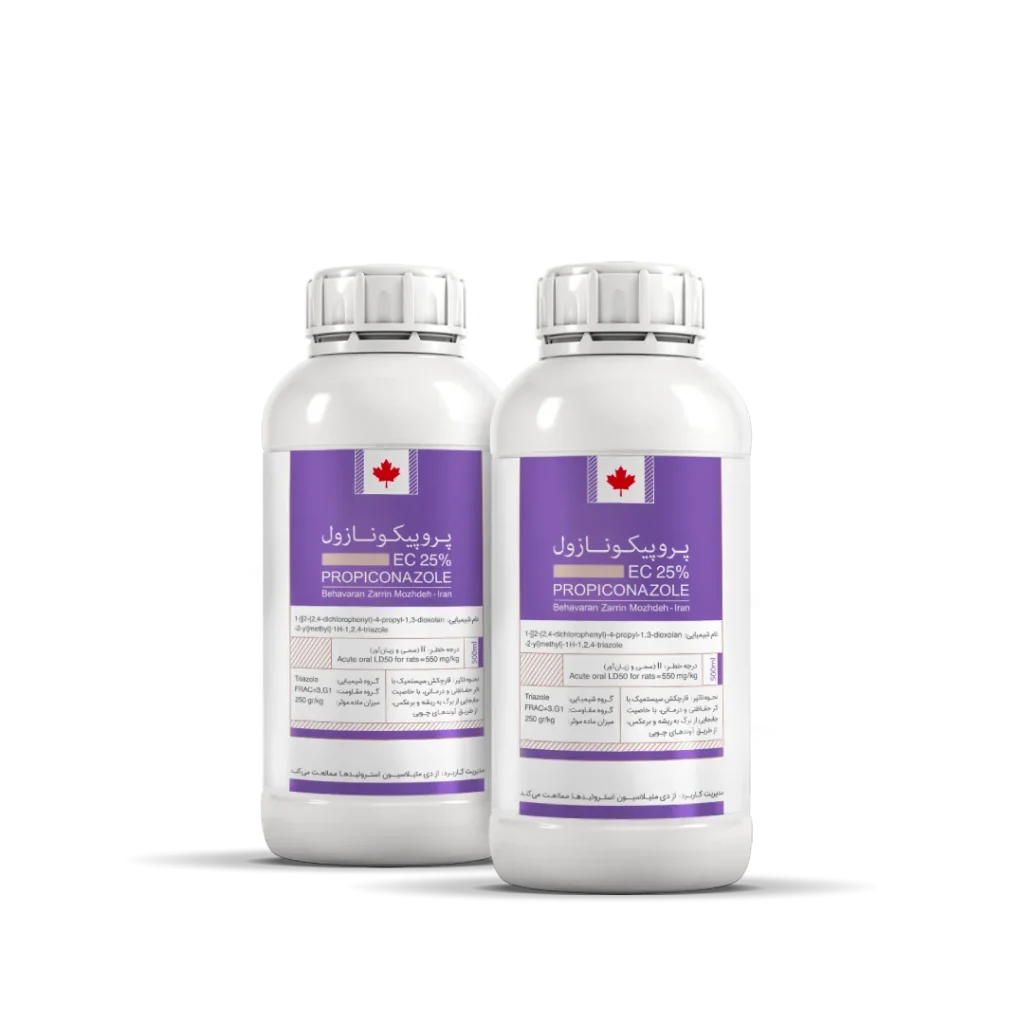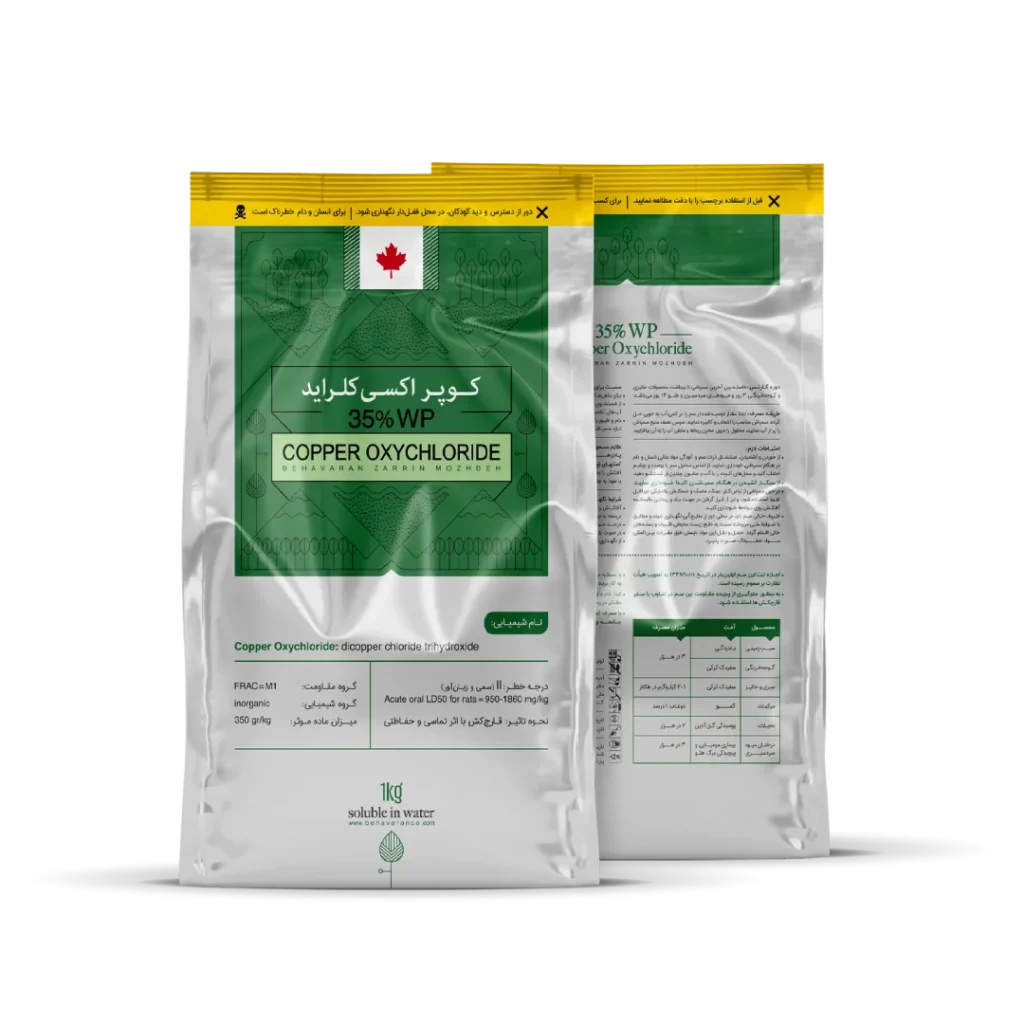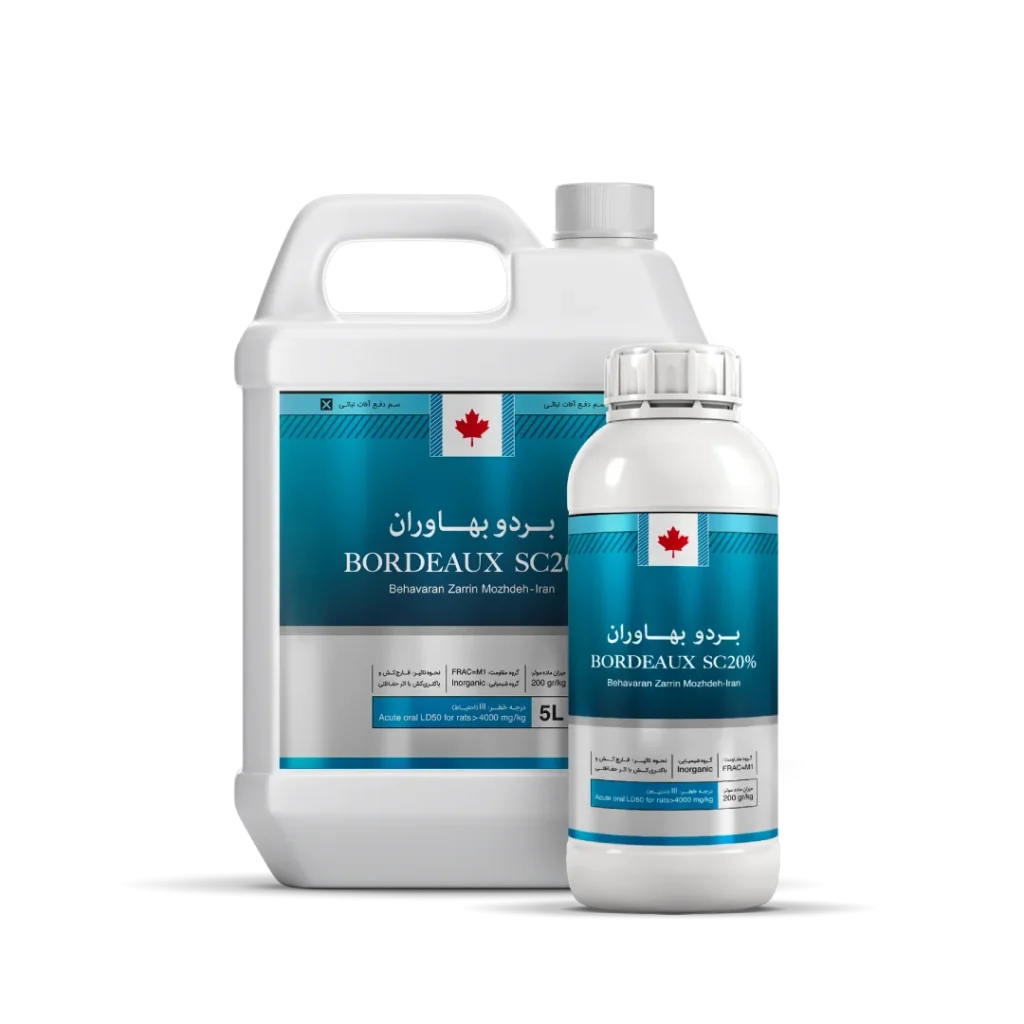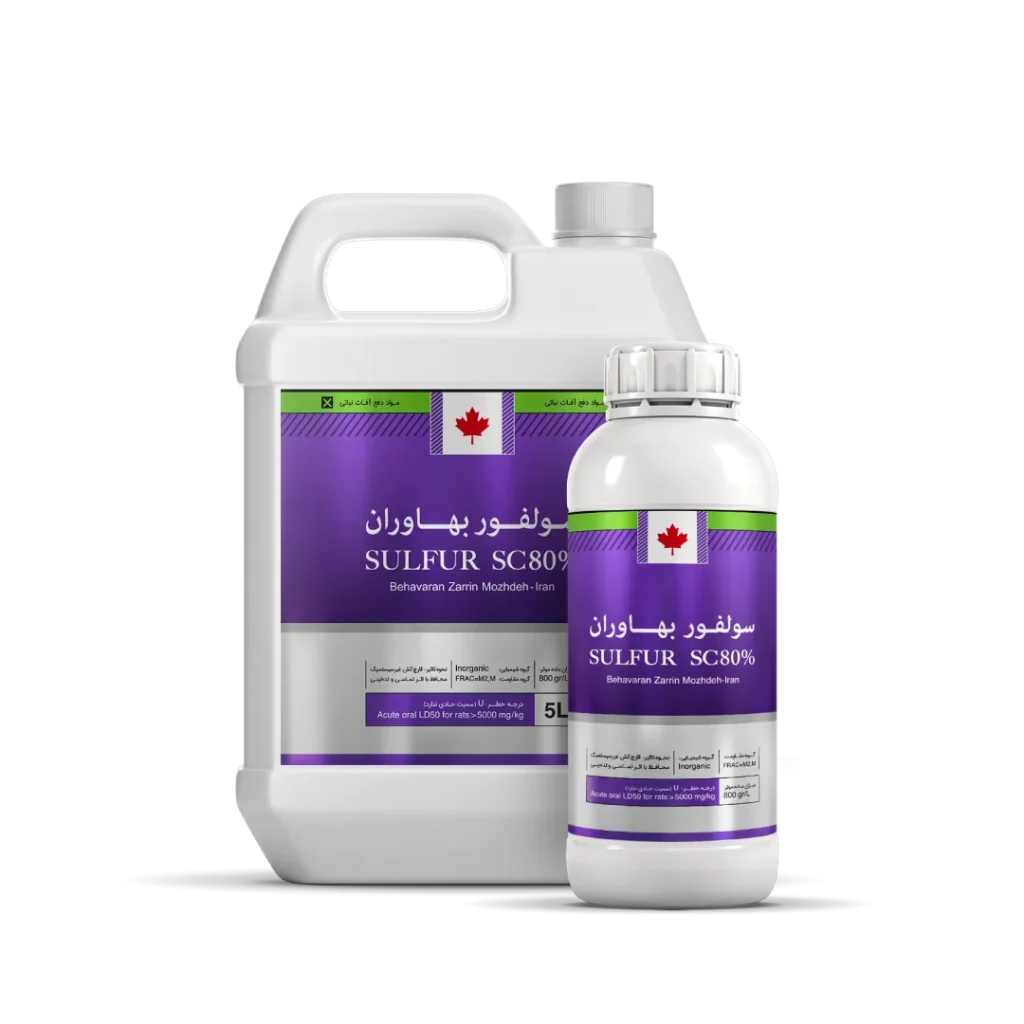
Metalaxyl Cuprous Oxide fungicide by Behavaran combines systemic and protective activity for downy mildew, late blight and other susceptible plant diseases.
Metalaxyl + Cuprous Oxide (Nordoxil) Behavaran is a combination fungicide designed to provide both systemic and protective activity against important plant diseases, particularly diseases caused by susceptible oomycete pathogens.
The formulation combines Metalaxyl, a systemic fungicide with preventive and curative properties, with Cuprous Oxide, an inorganic copper-based protective fungicide.
This combination provides protection both within plant tissues and on treated plant surfaces, making it suitable for integrated disease-management programs in crops such as tobacco, vegetables and fruit crops where permitted by local registration.
Metalaxyl is a systemic fungicide belonging to the acylalanine group. It can be absorbed through plant roots, stems and foliage and moves within plant tissues, providing internal protection against susceptible pathogens.
Its activity interferes with essential processes involved in pathogen growth and reproduction, helping suppress the development of susceptible oomycete diseases.
Cuprous Oxide is an inorganic, copper-based contact fungicide with primarily preventive activity. After application, copper ions act on several enzyme systems of susceptible microorganisms and interfere with essential metabolic processes.
The combination therefore provides two complementary types of protection:
This dual activity helps protect both the plant surface and internal tissues when the product is used according to label recommendations.
Metalaxyl + Cuprous Oxide fungicide provides several useful characteristics for crop disease management:
An important use of Metalaxyl Cuprous Oxide fungicide is the management of downy mildew, including downy mildew of tobacco.
Downy mildew diseases can develop rapidly under cool and humid environmental conditions. The systemic activity of Metalaxyl helps protect plant tissues internally, while Cuprous Oxide provides an additional protective barrier on treated surfaces.
For best results, application should be made according to disease risk, crop stage and approved local recommendations.
Crop: Tobacco
Target disease: Downy mildew
Application rate: 1.5 L/ha
Application method: Soil application
Application rate and timing should always comply with the approved product label and local agricultural recommendations.
According to the supplied product information, Metalaxyl + Cuprous Oxide may be used in disease-management programs for several crops and diseases, including:
Because permitted uses may differ significantly between countries, growers should always consult the locally approved registration and label before application.
One of the main advantages of this combination is the presence of two different types of fungicidal activity.
Metalaxyl moves within plant tissues and can help protect areas beyond the immediate spray deposit.
Cuprous Oxide, in contrast, remains primarily on plant surfaces and provides preventive contact protection.
Together, these characteristics provide a broader approach to disease management than either activity alone.
Metalaxyl is particularly active against a number of diseases caused by oomycete pathogens, a group that includes organisms responsible for diseases such as:
This makes Metalaxyl + Cuprous Oxide particularly relevant where both preventive surface protection and systemic activity are desirable.
Repeated use of systemic fungicides with the same mode of action may increase the risk of fungicide resistance.
To support responsible resistance management:
The multi-site activity of the copper component can contribute to a broader disease-management strategy, but correct fungicide rotation remains important.
A specific pre-harvest interval (PHI) has not been provided in the available product information.
Therefore, users should follow the approved local label and registration requirements for the relevant crop and destination market.
It is used in disease-management programs against susceptible plant pathogens, particularly oomycete diseases such as downy mildew and late blight, depending on local registration.
The Metalaxyl component provides systemic activity, while Cuprous Oxide provides primarily contact and protective activity on treated plant surfaces.
According to the supplied product information, it contains 25.8% Metalaxyl and 6% Cuprous Oxide.
Yes. The supplied product information lists tobacco downy mildew as an important use.
The supplied rate is 1.5 L/ha as a soil application.
A specific PHI was not provided in the available information. Users should follow the approved product label and local registration requirements.
| Product | Diseases | Consumption rate |
|---|---|---|
| Tobacco | downy mildew | 1.5 L per hectare (soil application) |
| Packaging | 500ml |
|---|---|
| Formulation | SC31.8% |
| Resistance group | FRAC=4,A1, FRAC=M1,M |
| Chemical group | Acylalanine |
| Amount of active ingredient | 318gr/L |