Weight
Behavaran
Home page | Manufactured Pesticides | Insecticide | Cyromazine
Cyromazine WP 75% (Trigard) is a contact and systemic larvicide targeting leafminer larvae in vegetables and fly larvae in livestock facilities. Includes safe handling and environmental guidelines.
Contact & Systemic Larvicide for Vegetable Leafminers and Farm Flies
Cyromazine WP 75% is a contact and systemic insecticide and larvicide effective against:
Leafminer larvae in vegetables
Fly larvae in livestock facilities
This product is specifically designed for dipteran larvae and belongs to the triazine chemical group.
Cyromazine inhibits growth, molting, and development of larvae, preventing the emergence of adult insects.
It has no stereoisomers and a high oral acute LD50 of 3387 mg/kg.
Effective only on larvae; it does not affect adult insects.
Best applied at the start of fly reproduction; in high infestations, reapplication may be necessary after 2–3 weeks.
Notes:
100gr
WP75%
IRAC=17
Moulting disruptor, dipteran
750gr/Kg
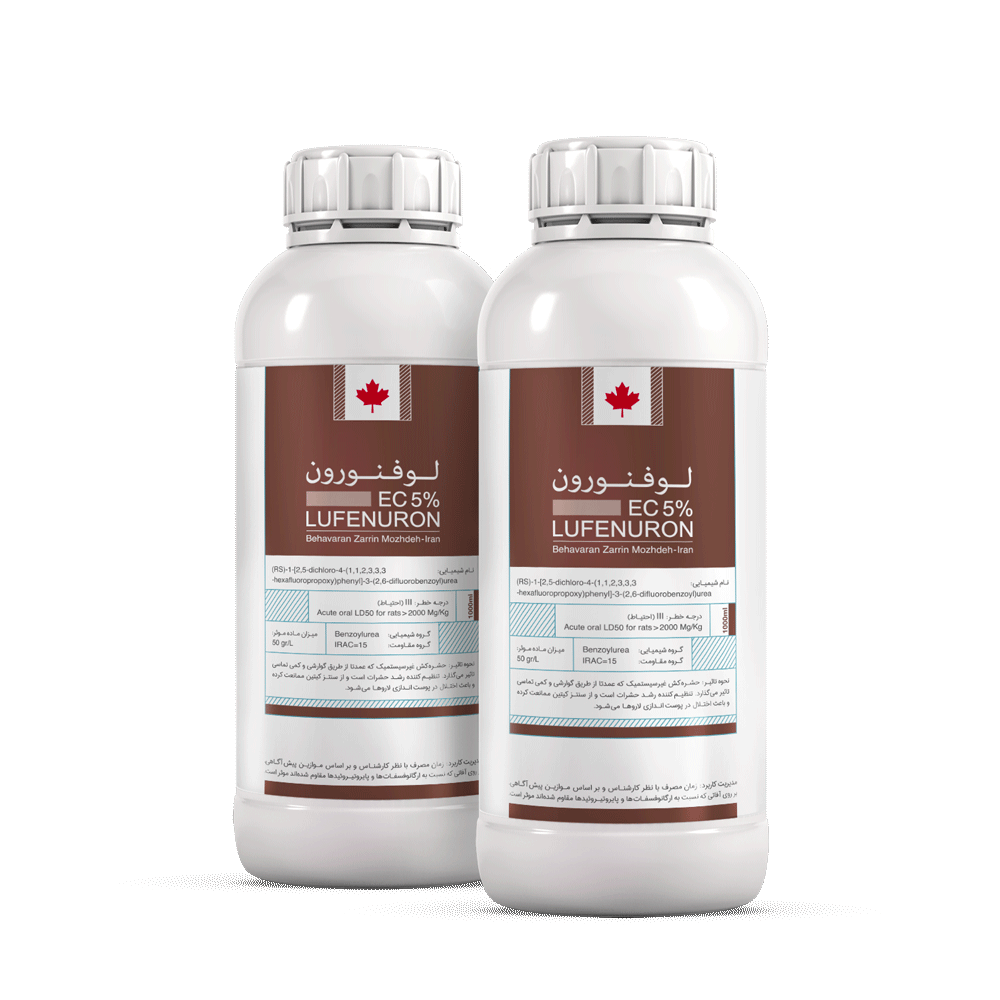
Lufenuron
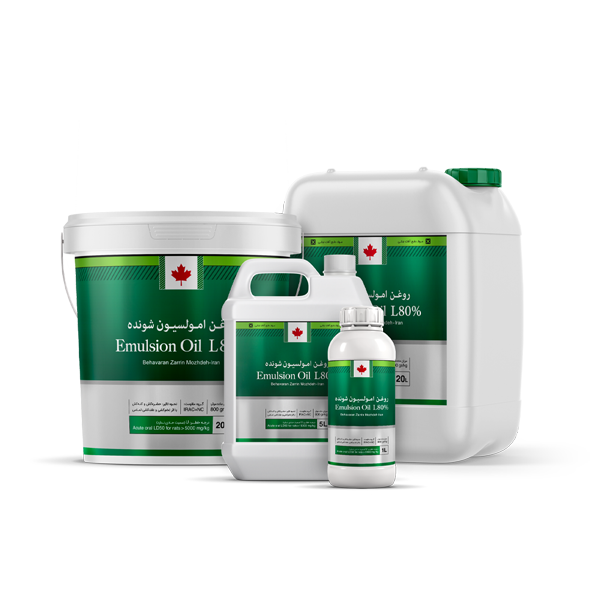
Emulsion Oil-80%
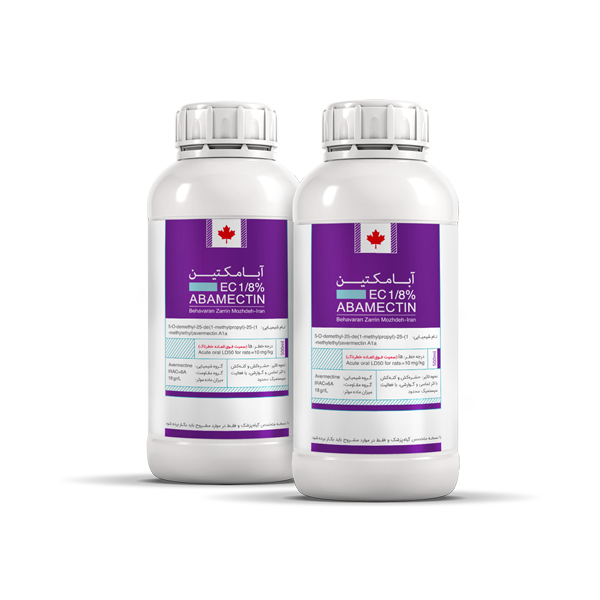
Abamectin
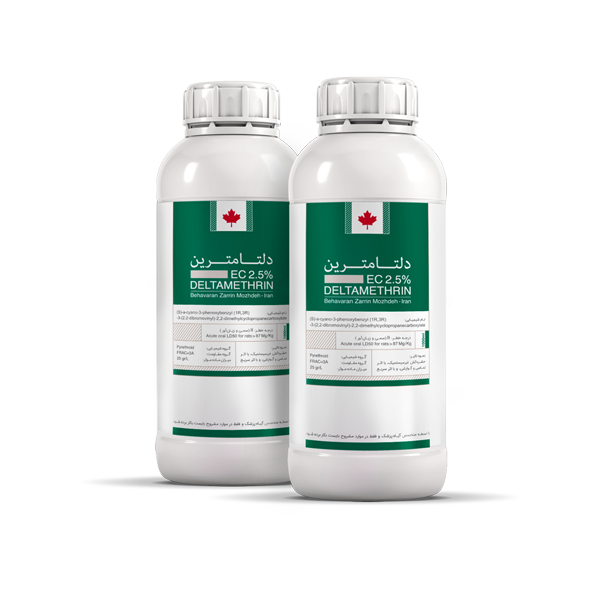
Deltamethrin
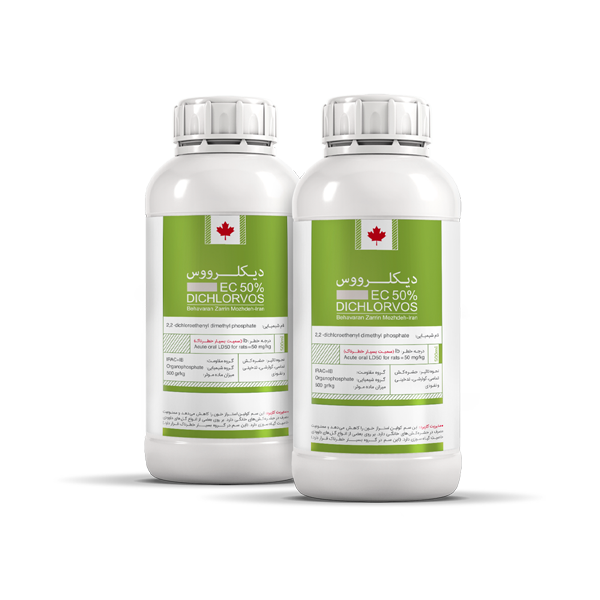
Dichlorvos
Abamectin+Thiamethoxam
Fenpropathrin
Cypermethrin
Fenvalerate
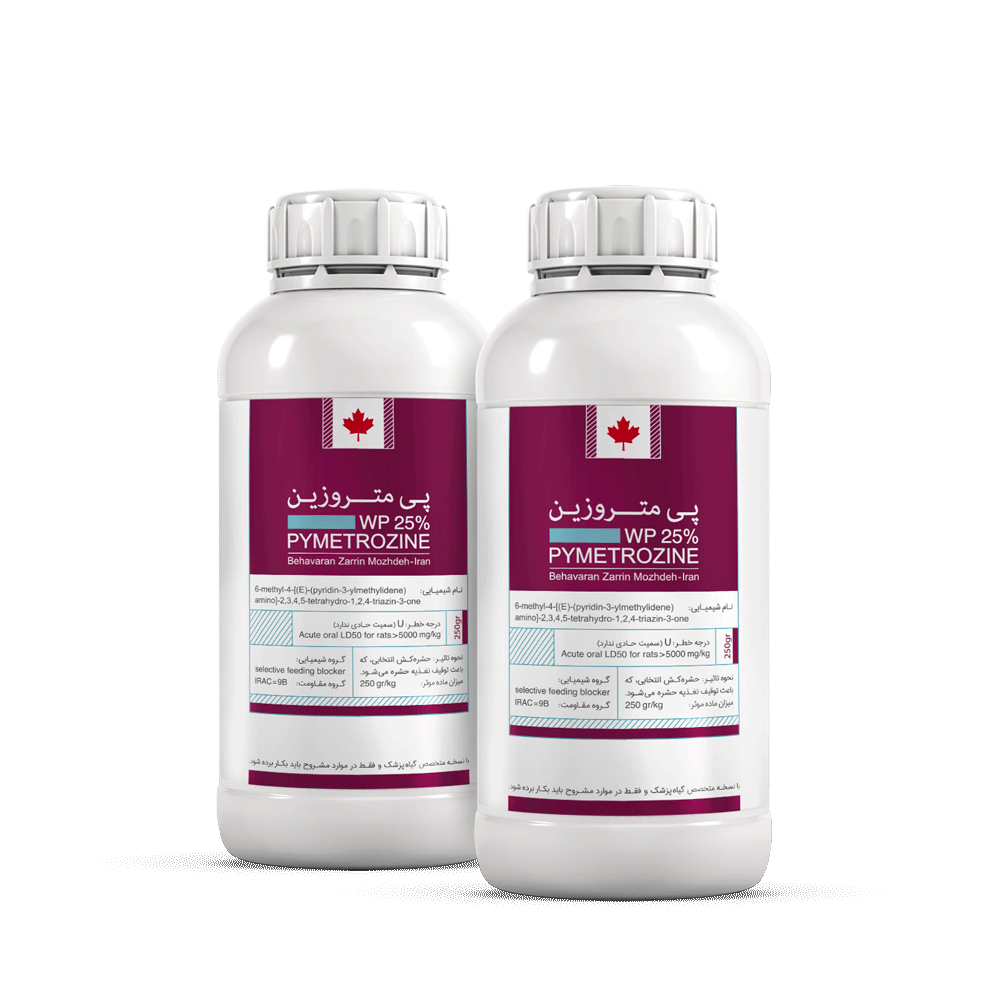
Pymetrozine