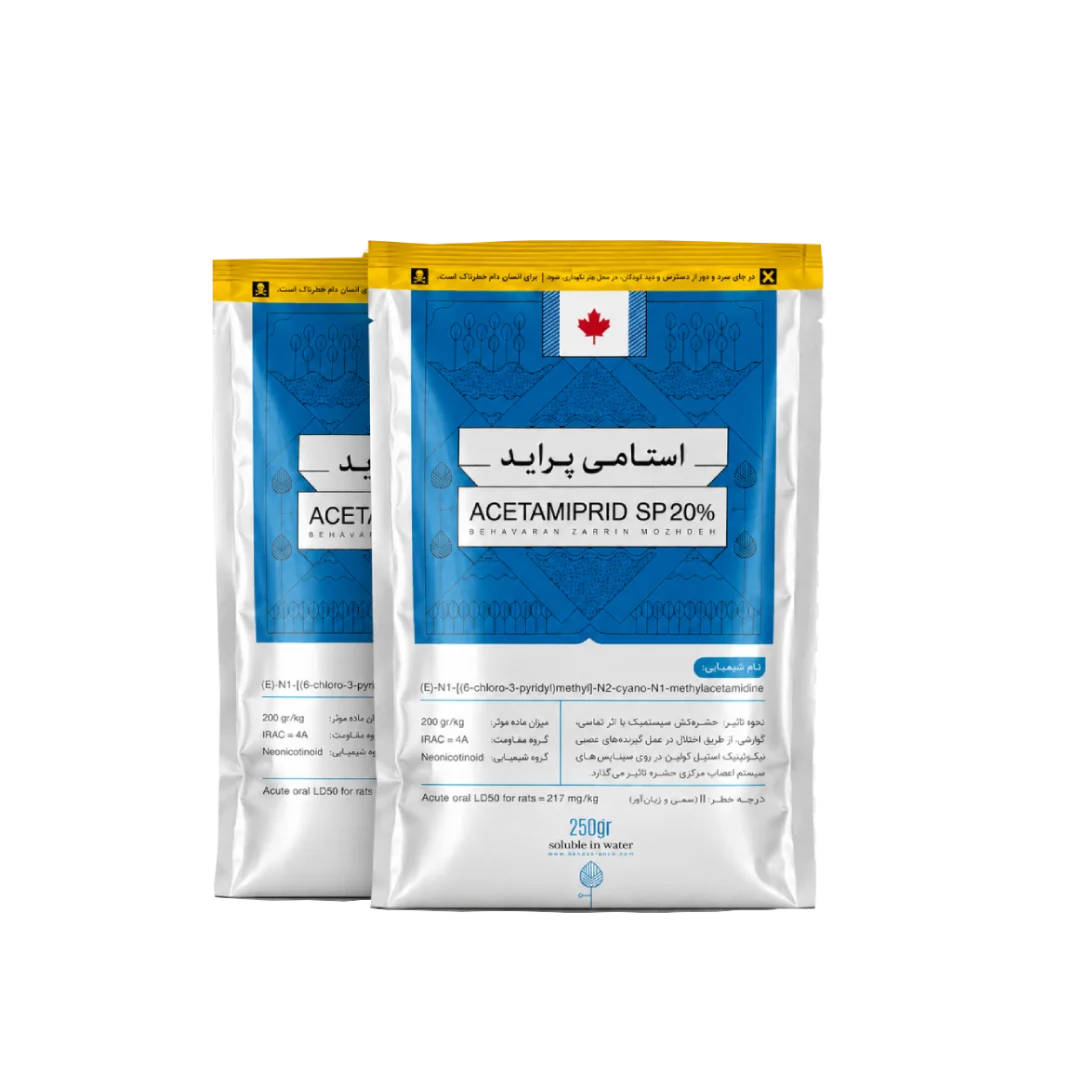
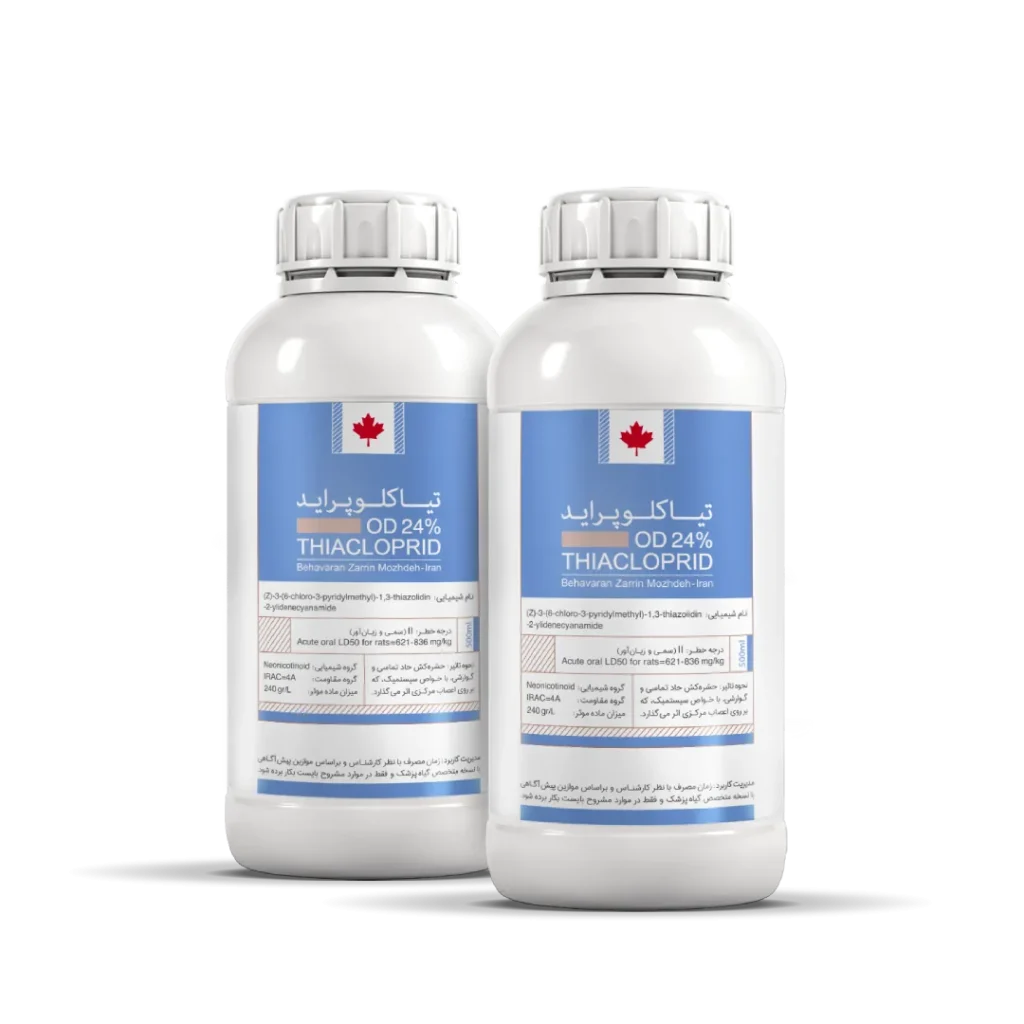
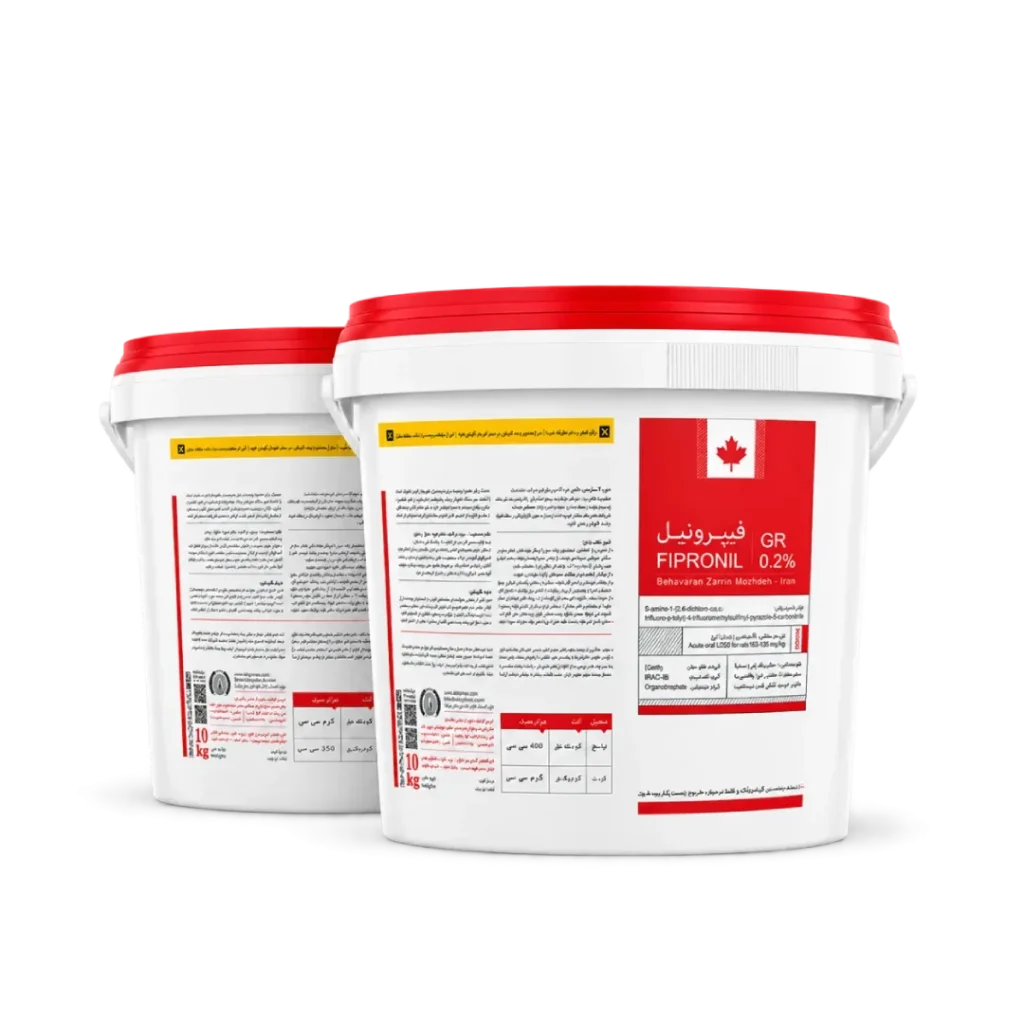
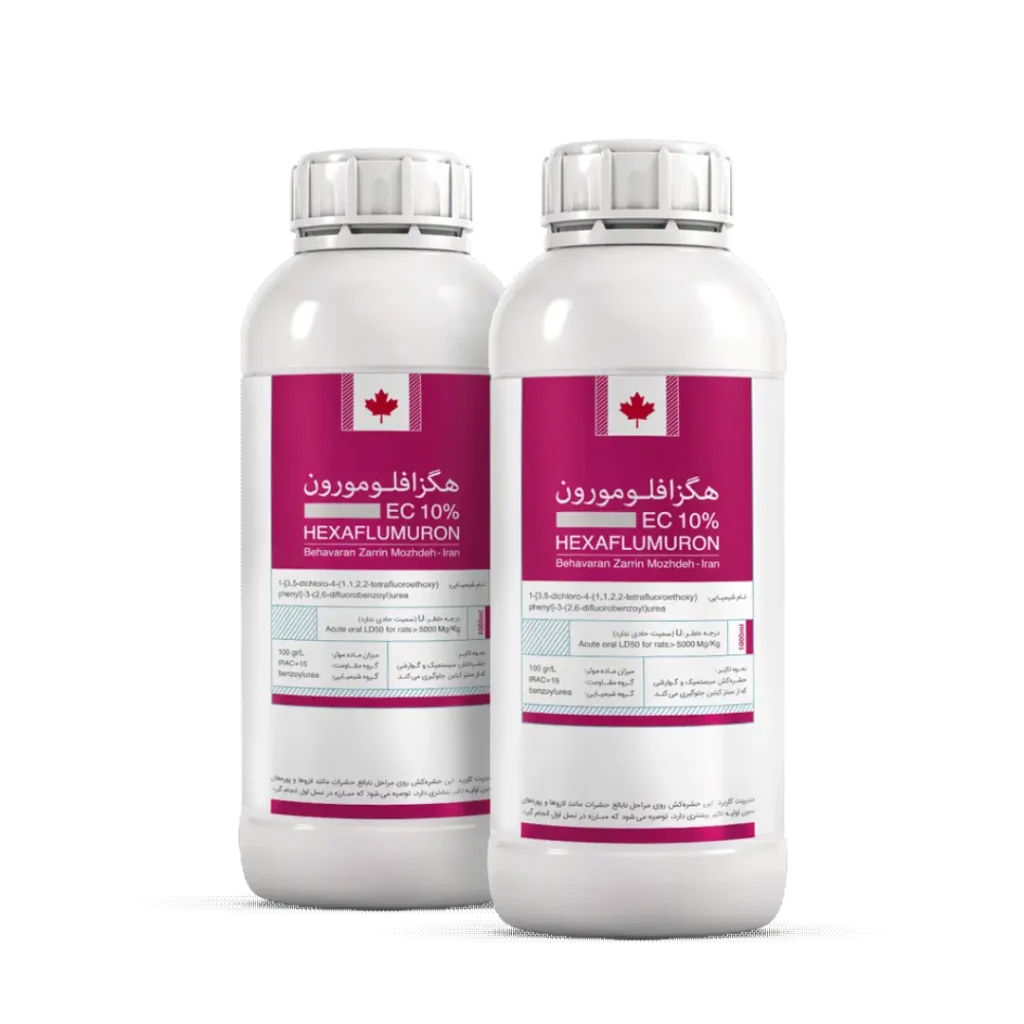
Acetamiprid Systemic Insecticide
Acetamiprid is a systemic neonicotinoid insecticide with both
contact and ingestion activity. It is used in crop-protection programs against a wide range of susceptible agricultural insect pests.
According to the supplied product information, Acetamiprid is particularly effective against pests such as
citrus scales, pistachio psyllids, leafhoppers, codling moth and apple leafminers.
Its systemic activity allows the active ingredient to be absorbed through plant tissues and transported within the plant, helping provide protection against pests that may be difficult to reach through direct spray contact alone.
Packaging 250 g
What Is Acetamiprid?
Acetamiprid is an insecticidal active ingredient belonging to the
neonicotinoid group.
It is used against a range of sucking and chewing insect pests on agricultural and horticultural crops.
Depending on registration and crop recommendations, Acetamiprid may be used against pests such as:
- aphids
- thrips
- whiteflies
- mirid bugs
- leafhoppers
- leaf-miners
- citrus scale insects
- pistachio psyllids
- codling moth
Its combination of systemic, contact and ingestion activity makes it useful in a variety of crop-protection programs.
Acetamiprid Mode of Action
Acetamiprid acts on
nicotinic acetylcholine receptors in the insect nervous system.
By interfering with normal nerve-signal transmission, the insecticide disrupts nervous-system function and leads to rapid mortality in susceptible insects.
According to the supplied product information, Acetamiprid can be absorbed through both
roots and leaves and translocated within plant tissues.
This systemic movement allows the active ingredient to reach feeding insects even when they are not directly exposed to spray droplets.
Systemic Activity of Acetamiprid
An important characteristic of
Acetamiprid is its systemic behavior.
After application, the active ingredient can move through plant tissues, helping maintain insecticidal activity beyond the directly treated surface.
According to the supplied product information, the product may remain effective even when rainfall occurs approximately
4–8 hours after application, once adequate absorption has taken place.
Actual rain fastness may depend on formulation, crop, application conditions and label instructions.
Main Benefits of Acetamiprid
Acetamiprid provides several useful characteristics in agricultural pest management:
- systemic insecticidal activity
- contact and ingestion action
- rapid activity against susceptible pests
- movement within plant tissues
- activity against several sucking and chewing insects
- use on fruit trees, vegetables and ornamental crops
- useful in integrated pest-management programs
- relatively good stability under sunlight according to the supplied product information
Acetamiprid for Pistachio Psyllid
Acetamiprid may be used in pest-management programs against
pistachio psyllid where registered.
Pistachio psyllids feed on plant sap and can weaken trees when populations become high.
Heavy infestations may result in:
- reduced tree vigor
- leaf damage
- reduced photosynthetic activity
- honeydew production
- reduced nut quality
- stress on affected trees
Regular monitoring is important so that control measures can be applied before pest populations become severe.
Acetamiprid for Codling Moth
According to the supplied information,
Acetamiprid may also be used against
codling moth, particularly against early generations where locally registered.
Codling moth is an important pest of apple and other pome fruits.
Larvae damage fruit by boring into developing fruits, resulting in:
- internal feeding damage
- premature fruit drop
- reduced marketability
- direct yield losses
Correct treatment timing is critical because insecticides are generally more effective when they target susceptible pest stages.
Acetamiprid for Apple Leafminer
Acetamiprid may also be used in the management of
apple leafminers where registered.
Leafminer larvae feed within leaf tissues and create characteristic tunnels or mines.
Heavy infestations may reduce functional leaf area and affect photosynthesis.
Early monitoring and properly timed application can improve control.
Acetamiprid for Aphids and Whiteflies
Acetamiprid is widely used in crop-protection programs against susceptible sucking pests such as
aphids and whiteflies.
Aphids may cause:
- leaf curling
- yellowing
- reduced plant growth
- honeydew accumulation
- sooty mold development
Whiteflies can similarly weaken plants by feeding on sap and producing honeydew.
Because Acetamiprid has systemic activity, feeding insects may be exposed to the active ingredient through treated plant tissues.
Other Uses of Acetamiprid
According to the supplied product information,
Acetamiprid is used internationally against a wide range of pests, including:
- aphids
- thrips
- mirid bugs
- whiteflies
- leafminers
- leafhoppers
It may be used on crops including:
- vegetables
- fruit trees
- citrus
- vineyards
- ornamental plants
All applications must follow local registration and the approved product label.
Best Time to Apply Acetamiprid
For effective pest management,
Acetamiprid should be applied when monitoring indicates that treatment is necessary.
Important factors include:
- pest species
- pest population density
- life stage of the target insect
- crop growth stage
- environmental conditions
- presence of beneficial insects
- local treatment thresholds
Early treatment of susceptible pest stages generally provides better results than delayed application after severe infestation.
Acetamiprid in Integrated Pest Management
Acetamiprid should be used as part of an
Integrated Pest Management (IPM) program.
Useful IPM practices may include:
- regular crop monitoring
- correct pest identification
- conserving beneficial insects
- biological control where appropriate
- weed and alternative-host management
- field sanitation
- applying insecticides only when necessary
- rotating products with different modes of action
Combining chemical and non-chemical approaches can help improve long-term pest management.
Resistance Management
Repeated use of insecticides with the same mode of action can increase the risk of resistance development.
When using
Acetamiprid:
- avoid unnecessary repeated applications
- rotate with insecticides from different mode-of-action groups
- use the registered application rate
- avoid repeated consecutive treatments with the same insecticide group
- integrate non-chemical pest-management measures
- apply only when justified by monitoring
Persistence and Residual Activity
According to the supplied product information,
Acetamiprid provides relatively long-lasting activity after application.
The source material also describes the product as stable under sunlight and capable of providing extended pest suppression.
The exact duration of control depends on factors such as:
- crop species
- pest pressure
- environmental conditions
- formulation
- application rate
- plant growth
For this reason, treatment intervals should always follow the registered label rather than relying on a fixed residual period.
Frequently Asked Questions About Acetamiprid
What is Acetamiprid?
Acetamiprid is a systemic neonicotinoid insecticide with contact and ingestion activity against susceptible agricultural insect pests.
Is Acetamiprid systemic?
Yes. Acetamiprid can be absorbed through plant tissues and transported within the plant.
How does Acetamiprid work?
Acetamiprid acts on nicotinic acetylcholine receptors in the insect nervous system, disrupting normal nerve transmission.
What pests is Acetamiprid used for?
Depending on registration, it may be used against pests such as pistachio psyllid, aphids, whiteflies, leafminers, leafhoppers, codling moth and citrus scale insects.
Can Acetamiprid be used on fruit trees?
Yes, where registered, Acetamiprid may be used in pest-management programs on fruit trees and other agricultural crops.
Can Acetamiprid be used in IPM programs?
Yes. It can be incorporated into an Integrated Pest Management program together with monitoring, biological control, cultural practices and insecticide rotation.