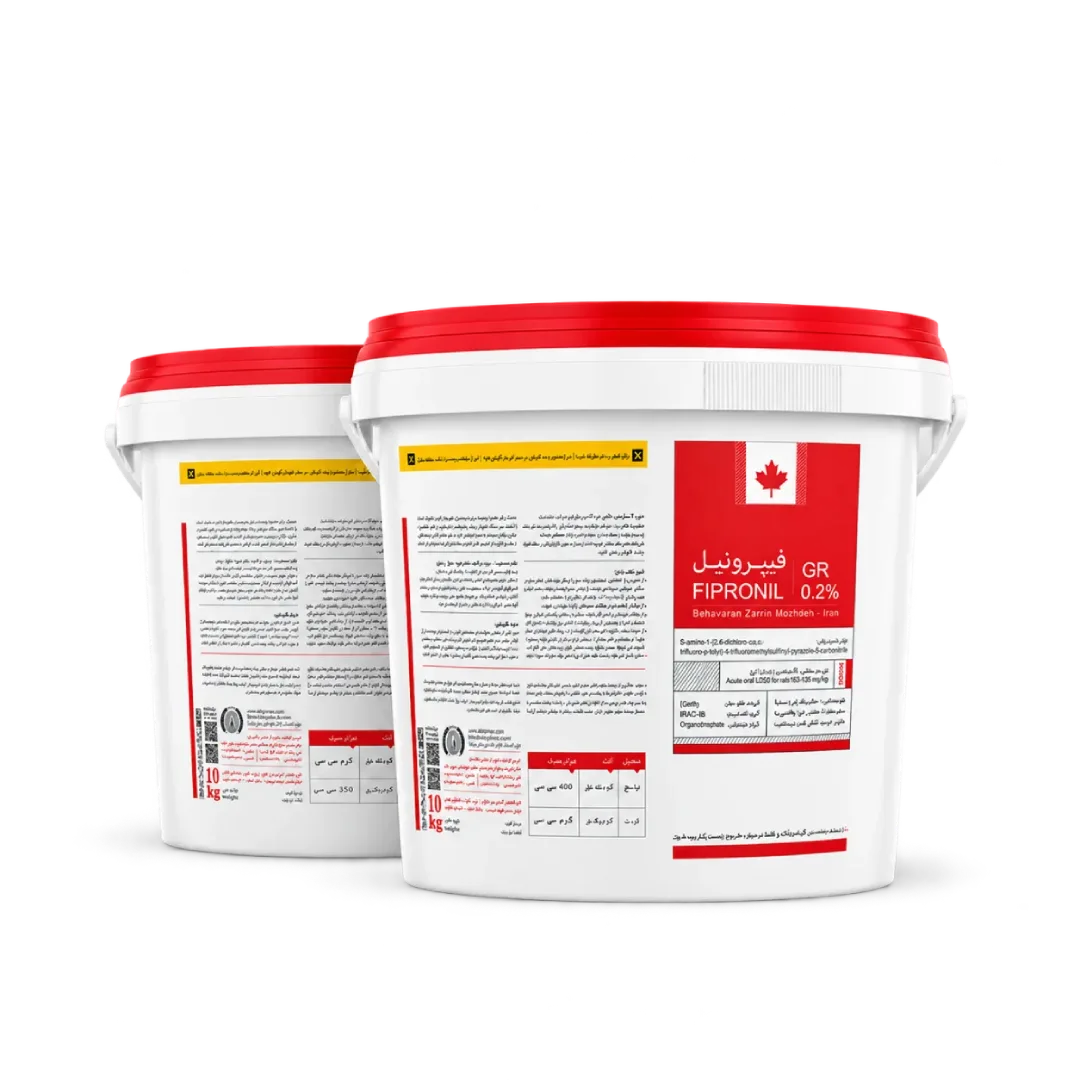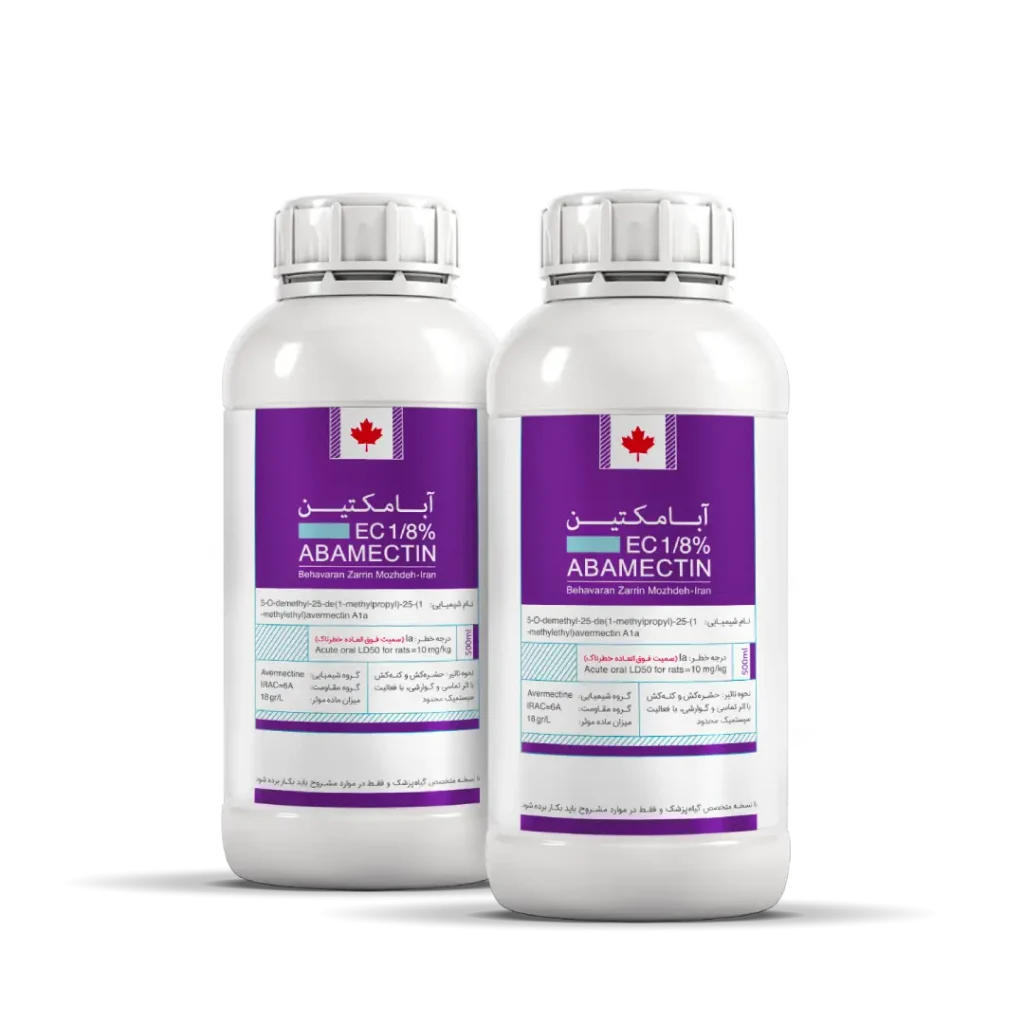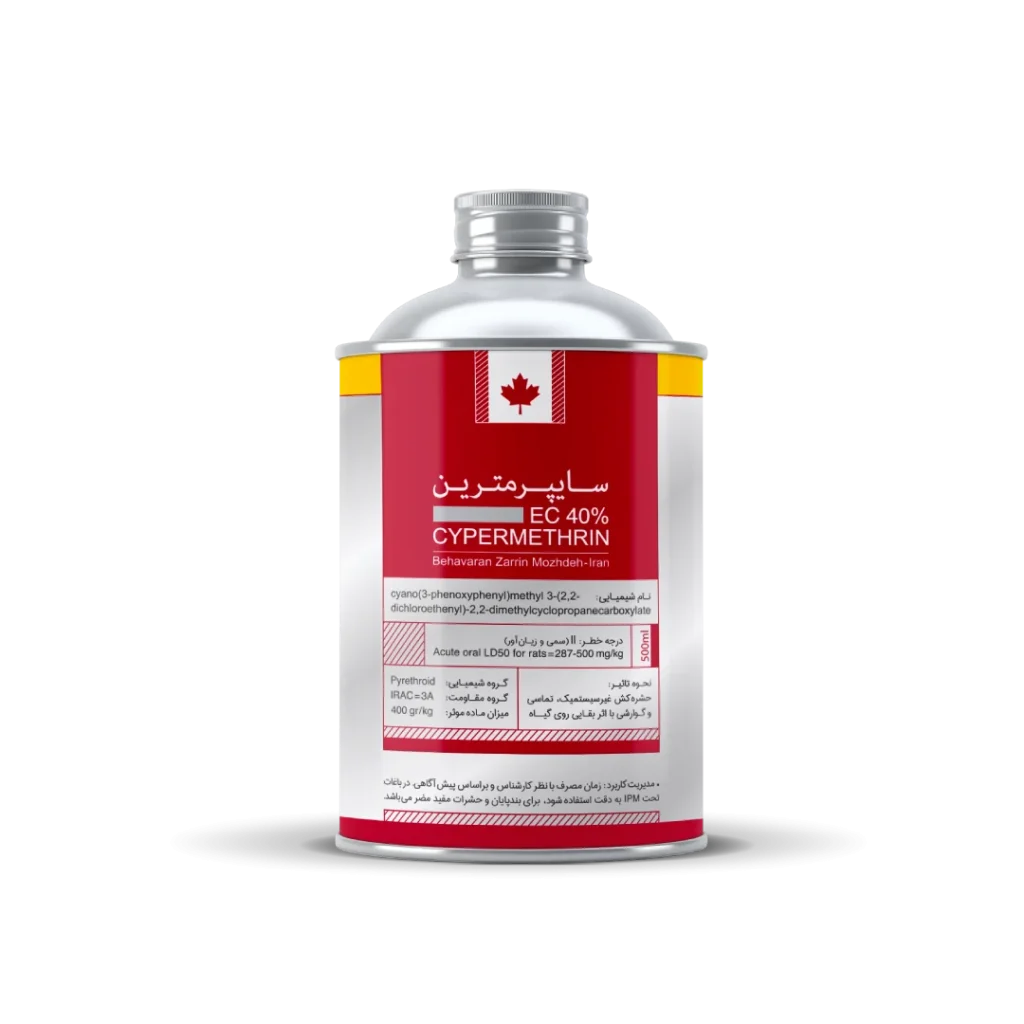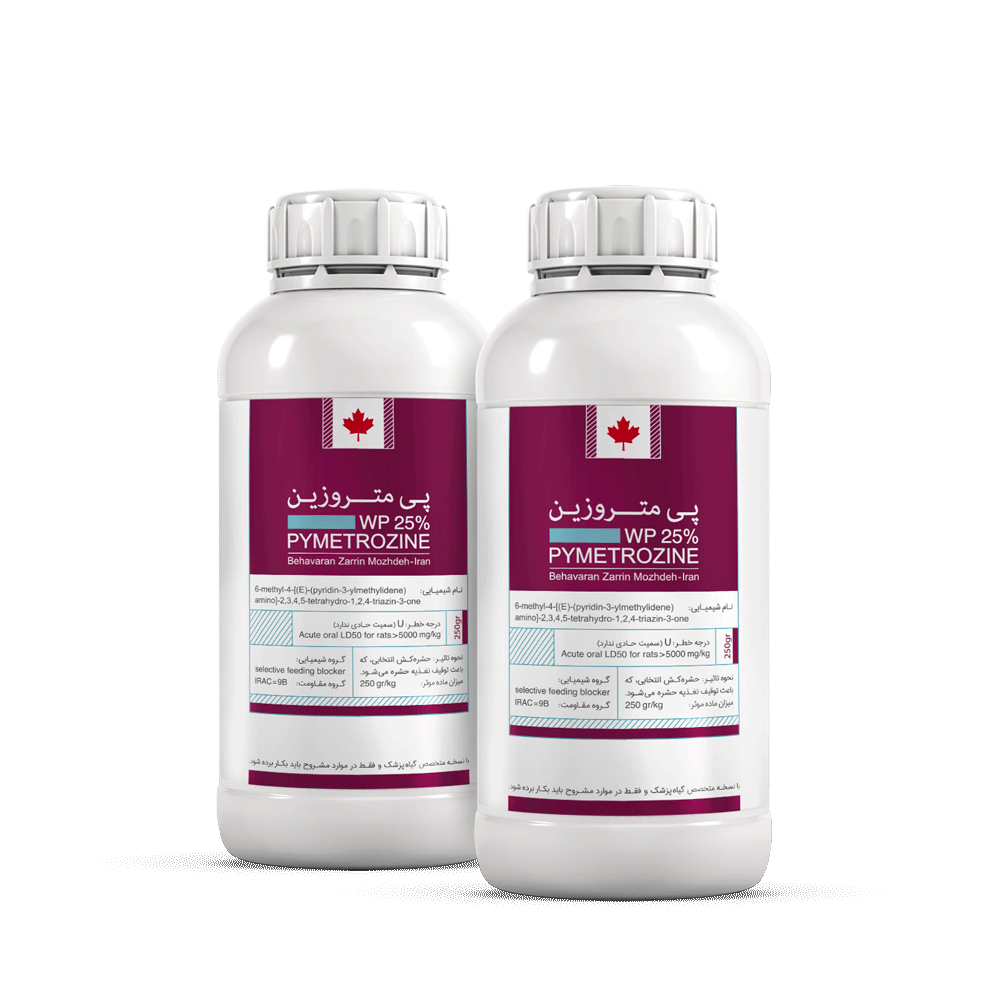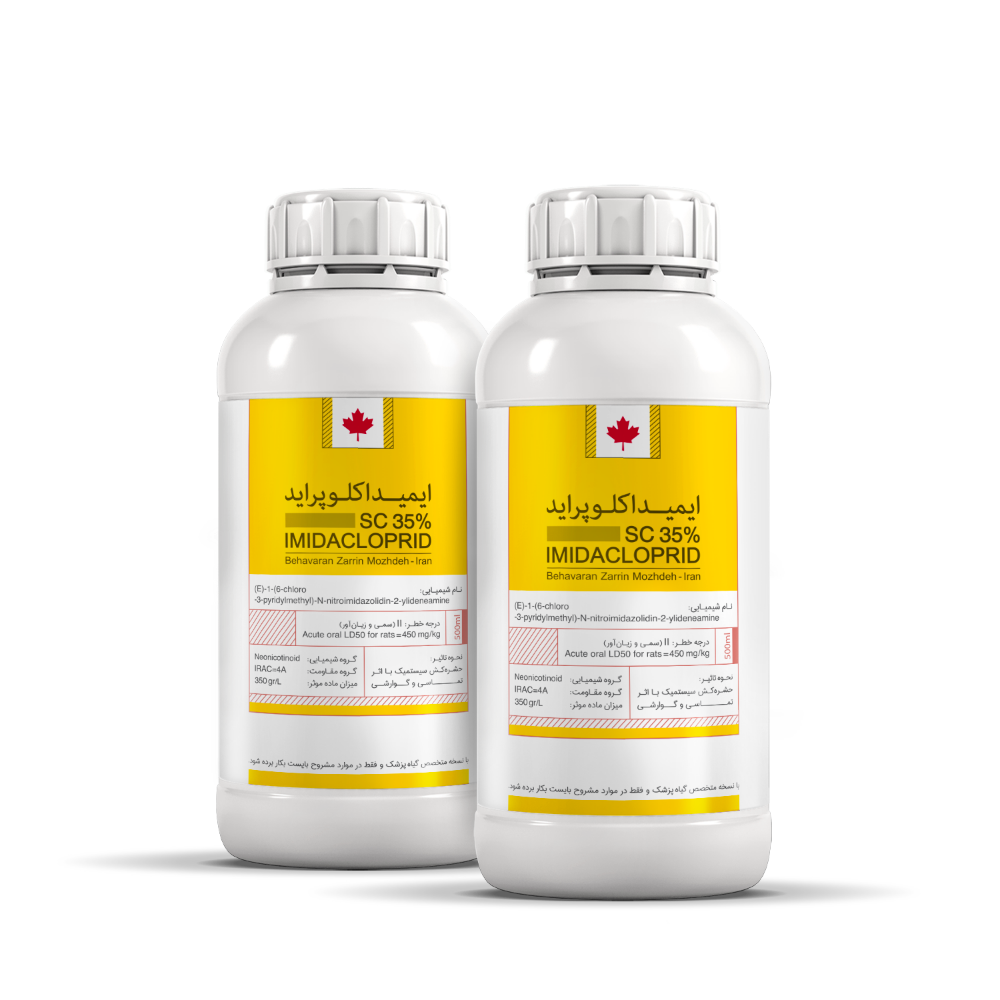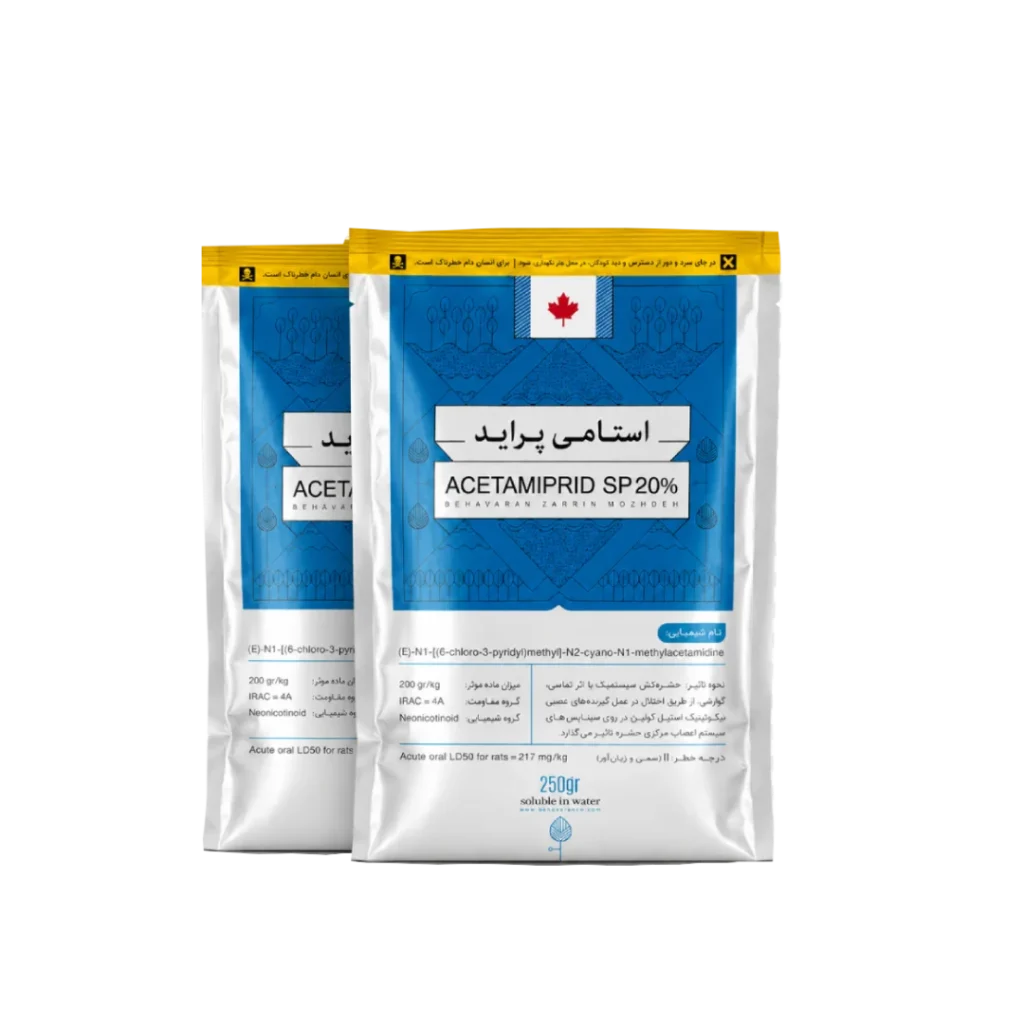
Fipronil GR 0.2% is a granular insecticide containing Fipronil for the management of rice stem borer and grape cicada in registered agricultural uses.
| Specification | Details |
|---|---|
| Product Name | Fipronil GR 0.2% Behavaran |
| Active Ingredient | Fipronil |
| Concentration | 0.2% |
| Formulation | GR – Granule |
| Chemical Group | Phenylpyrazoles |
| IRAC Group | 2B |
| Mode of Action | Nervous system insecticide |
| Manufacturer / Supplier | Behavaran Zarrin Mozhdeh |
| Packaging | 10 kg |
Fipronil is a broad-spectrum insecticidal active ingredient from the phenylpyrazole group. It affects the insect nervous system by interfering with GABA-gated chloride channels, disrupting normal nerve signal transmission.
This distinctive mode of action places Fipronil in IRAC Group 2B, making resistance management an important consideration when it is included in crop protection programs.
Fipronil acts primarily on the insect nervous system. By blocking the normal function of chloride channels associated with the neurotransmitter GABA, it disturbs the electrical balance of nerve cells.
This interference leads to abnormal nervous activity and loss of normal physiological function in susceptible insects.
For resistance management, Fipronil should be used according to label directions and, where repeated treatments are required, rotated with insecticides belonging to different IRAC mode-of-action groups.
According to the product information provided for this formulation, Fipronil GR 0.2% is used for the management of selected agricultural pests.
| Crop | Target Pest | Application Rate |
|---|---|---|
| Rice | Rice stem borer | 20 kg/ha, one granular application per year |
| Grape | Grape cicada | 50 g per plant |
Application must always follow the registered label, local regulations, crop conditions, and professional agronomic recommendations.
Grape cicada is an important vineyard pest whose immature stages may spend a significant part of their life cycle in the soil.
Nymphs feeding around the root system can gradually weaken grapevines and may contribute to:
Because a significant part of the pest population can remain below ground, proper monitoring of both the vine and the root zone is important when planning control measures.
Rice stem borers are among the economically important pests of rice production. Their larvae damage stems by feeding within plant tissues, which can reduce crop performance and yield.
Effective management depends on:
The correct timing of application is generally more important than unnecessary repeated pesticide use.
GR stands for Granule, meaning the active ingredient is formulated on solid granules for specific field or soil applications.
Potential advantages of a granular formulation include:
Fipronil GR 0.2% Behavaran should be considered as part of an Integrated Pest Management (IPM) program rather than as a stand-alone control measure.
A comprehensive pest management program may include:
Combining cultural, biological and chemical strategies generally provides more sustainable pest control.
Fipronil belongs to IRAC Group 2B.
Continuous or repeated use of insecticides with the same mode of action may increase the risk of resistance development in pest populations.
For better resistance management:
| Rice | Rice stem borer | 20 kg/ha, one granular application per year |
|---|---|---|
| Grape | Grape cicada | 50 g per plant |
| Chemical group | Phenylpyrazole |
|---|---|
| Formulation | G 0.2% |
| Amount of active ingredient | 2 Gr/Kg |
| Resistance group | IRAC=2B |