Weight

50gr

Behavaran

Resistance group: IRAC=29
WG50%

Flonicamid

WG50%

Zarrin Daneh Emertat

  • Flunicamid is a novel, systemic, and highly effective insecticide that provides long-term control of sucking pests by acting differentially and specifically on the calcium channels of insect mouthpart muscles. With low toxicity to beneficial insects and mammals and a short waiting period, this pesticide is a safe and effective option for a variety of agricultural crops.
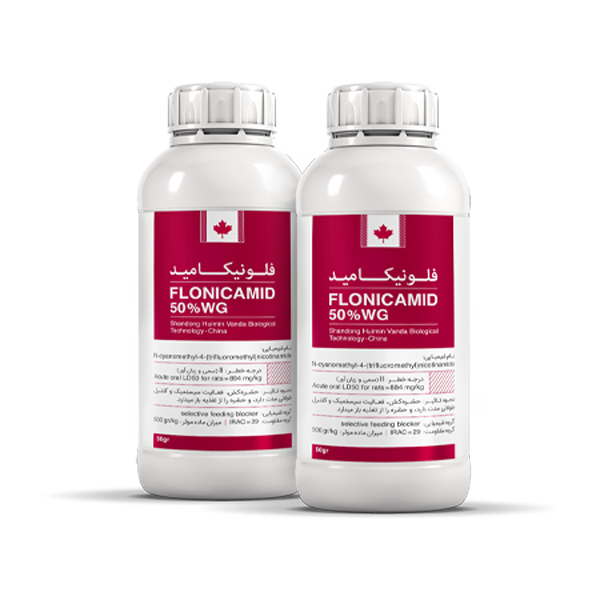
Flonicamid WG50% Manufactured by: Shandong Huimin Vanda Biological Technology-China Imported by: Zarrin Daneh Amertat One liter package
  • Flonicamide (Tepki) is a systemic and effective insecticide from the pyridine group that is widely used in agriculture and horticulture to control sucking pests. This poison is supplied in the form of water-dispersible granules with a concentration of 50% active ingredient, and its mechanism of action is different from many other poisons; Flonicamid does not directly affect the central nervous system of the pest, but rather affects the calcium channels of the muscles of the insect’s mouthparts, causing them to paralyze and completely stop feeding. This disruption in feeding causes the gradual death of insects, which results from starvation and inability to reproduce.
How it works
  • Flonicamide acts as a feeding inhibitor and, after entering the body of the target insect, disrupts the function of the muscles related to the mouthparts.
  • This causes temporary or permanent paralysis of the mouthparts and cessation of feeding. This unique mechanism allows even insects that are not exposed to direct spraying due to being confined inside the leaf or young leaves to be controlled because the poison is systemic throughout the plant tissue and is distributed throughout the plant.
Uses
  • Flonicamide is very effective in controlling sucking pests such as aphids (a well-known example: the scutellariae), thrips, whiteflies, scale insects, soft-bodied weevils and some aphids. This pesticide is used in a variety of crops including vegetables (cucumber, tomato, eggplant), strawberries, stone fruit and seed trees, wheat, barley, rice, cotton and other ornamental plants.
Advantages
  • Systemic insecticide with rapid absorption and movement throughout the plant Contact and digestive action with pest feeding arresting properties Long-term pest control even in fresh leaves and deep plant tissues Reduced risk of resistance development due to unique mechanism of action on calcium channels Low toxicity to beneficial insects and minimal negative effect on natural enemies Short waiting period (typically 1 day for marigolds), allowing for rapid harvest of crops Easy to use as foliar spray or irrigation methods
Crops Diseases Amount of use
Cucumber aphid 200 g/ha
Strawberry thrips 250 g/ha

Additional information

Weight

50gr

Formulation

WG50%

Chemical group

Selective feeding blocker

Resistance group

IRAC=29

Amount of active ingredient

500gr/kg

  • The use of protective clothing and equipment is mandatory when spraying.
  • To reduce the risk of resistance, it is recommended to use lower doses in the early stages of the pest and higher doses at higher densities.
  • Spraying should be done with complete coverage of leaves and plants to achieve optimal effectiveness.
  • Spraying is usually done at the beginning of the emergence of pests or an increase in pest density, and to prevent resistance, it is better to use the poison in rotation with other insecticides.


  • Avoiding spraying during flowering and pollinator activity is very important to preserve honeybees and beneficial insects.

Related products