
Introduction to Pear Psylla
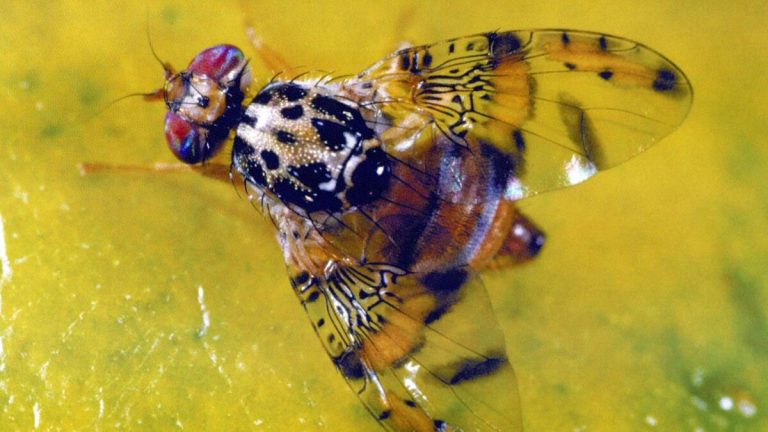
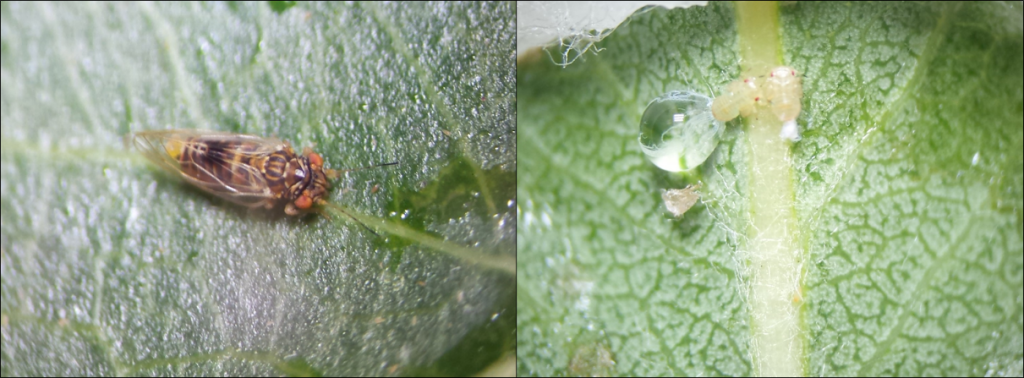
Pear psylla (Psylla pyricola) belongs to the family Psyllidae and is a specialized pest that primarily attacks pear trees. This small insect resembles a tiny cicada and passes through three major life stages: 1. Egg 2. Nymph 3. Adult Adult psylla insects are usually dark brown to orange-brown and measure approximately 2–3 mm in length. The nymphs are flattened, oval-shaped, and initially yellowish before becoming darker as they mature.
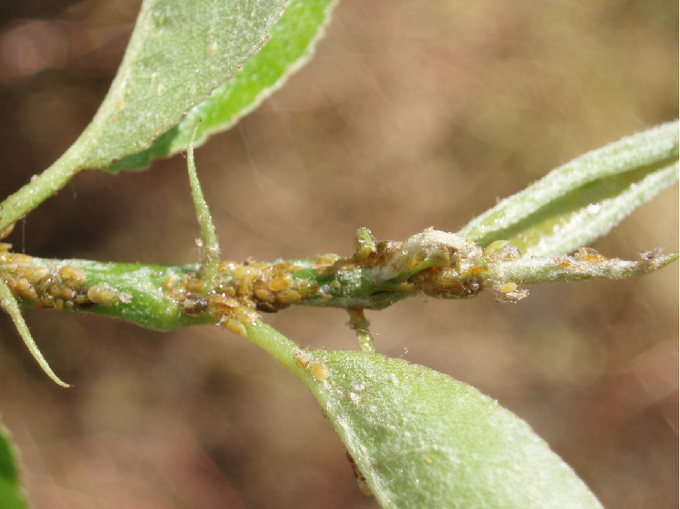
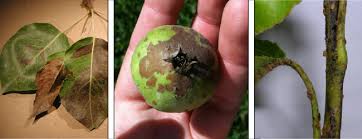
One of the most characteristic signs of pear psylla infestation is the secretion of sticky honeydew, which covers leaves and fruits and promotes fungal growth.
Appearance of Pear Psylla
Damage Caused by Pear Psylla
Pear psylla damages trees by piercing plant tissues and sucking sap from leaves, shoots, and fruits. Heavy infestations can severely weaken trees and reduce both fruit quality and yield.
Main Symptoms and Damage
1. Tree Weakening Continuous feeding by nymphs and adults reduces the tree’s vigor and interferes with normal growth.
2. Leaf Curling and Drying Infested leaves often curl, yellow, and eventually dry out, reducing the tree’s photosynthetic capacity.
3. Fruit Drop Young fruits may prematurely fall during severe infestations.
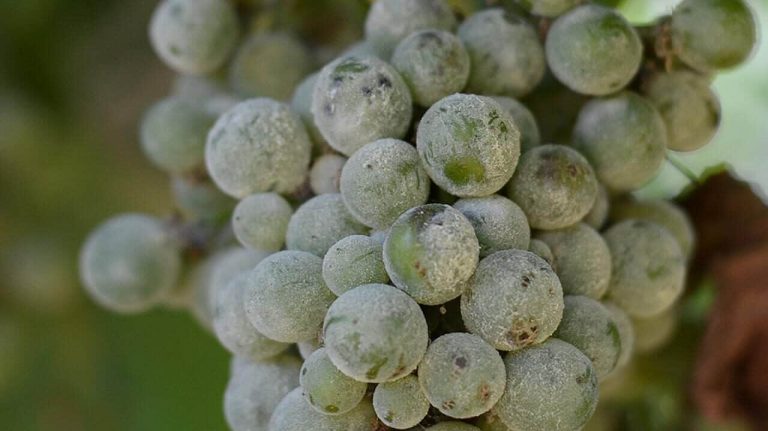
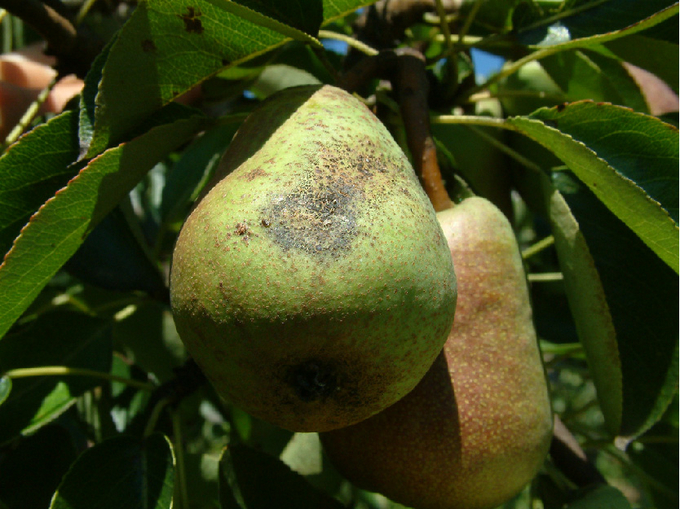
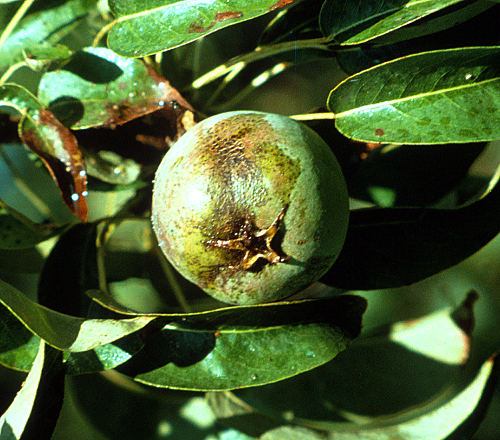
4. Honeydew Production and Sooty Mold Pear psylla secretes sugary honeydew that coats leaves and fruits. This substance encourages the growth of black sooty mold fungi.
5. Reduced Fruit Marketability
Fruits covered with honeydew and fungal growth lose their commercial appearance and market value.
Seasonal Activity of Pear Psylla
Pear psylla usually becomes active in late winter or early spring. As temperatures rise, overwintering adults emerge and begin laying eggs on buds and young shoots. In favorable climates, pear psylla can produce several generations per year. Population density is typically highest during spring and summer.
Critical Activity Periods
* Late winter: emergence of overwintering adults * Early spring: egg laying on buds and shoots * Mid-spring: rapid increase of nymph populations * Summer: peak infestation and severe damage * Autumn: reduced activity and preparation for overwintering — # Life Cycle of Pear Psylla The life cycle of pear psylla includes egg, nymph, and adult stages.
Egg Stage Female adults lay tiny oval-shaped yellow to orange eggs on buds, leaves, and tender shoots.
Nymph Stage After hatching, nymphs settle on leaves and feed on plant sap. This stage causes the greatest damage to pear trees.
Adult Stage Adult psylla insects are highly mobile and capable of spreading quickly throughout orchards. Adults are responsible for mating and initiating the next generation.
Pear psylla survives winter as an adult insect hidden beneath bark crevices, tree cracks, orchard debris, and surrounding vegetation. As temperatures increase in late winter, adults become active and migrate to pear trees to begin reproduction. For this reason, winter management plays a crucial role in reducing initial pest populations.
Pear Psylla Control Methods
Effective pear psylla management requires an integrated approach. Relying solely on chemical pesticides often leads to pesticide resistance and reduced long-term effectiveness. The best strategy combines cultural, biological, and chemical control methods.
Cultural Control of Pear Psylla Cultural practices are essential for reducing pear psylla populations.
Important Cultural Practices
* Pruning infested branches * Removing dense shoots and suckers
* Improving tree nutrition
* Proper irrigation management
* Removing fallen leaves and plant debris Proper pruning improves air circulation inside the canopy and creates less favorable conditions for the pest.
Biological Control of Pear Psylla
Several natural enemies help suppress pear psylla populations in orchards.
Important Natural Enemies
* Lady beetles * Lacewings * Predatory bugs * Parasitic wasps Excessive pesticide use can eliminate beneficial insects; therefore, preserving orchard biodiversity is very important.
Chemical Control of Pear Psylla
Chemical treatments may become necessary when pest populations exceed economic thresholds.
Best Timing for Spraying
* Late winter before bud break * During early nymph emergence
Dormant Oil(Volk oil of Behavaran)Sprays Applying horticultural oils during winter is one of the most effective ways to suppress overwintering adults and eggs.
Common Insecticides Used Against Pear Psylla Some commonly used insecticides include:
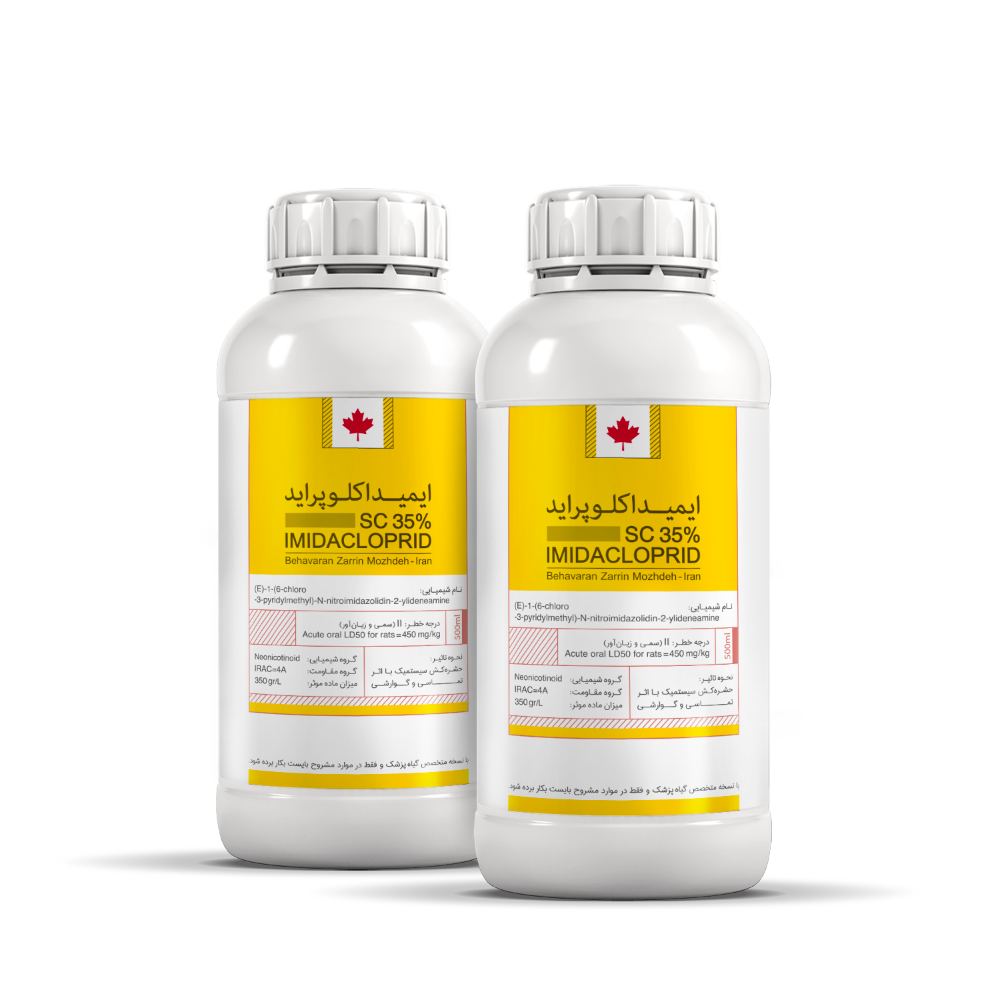
* Imidacloprid Behavaran
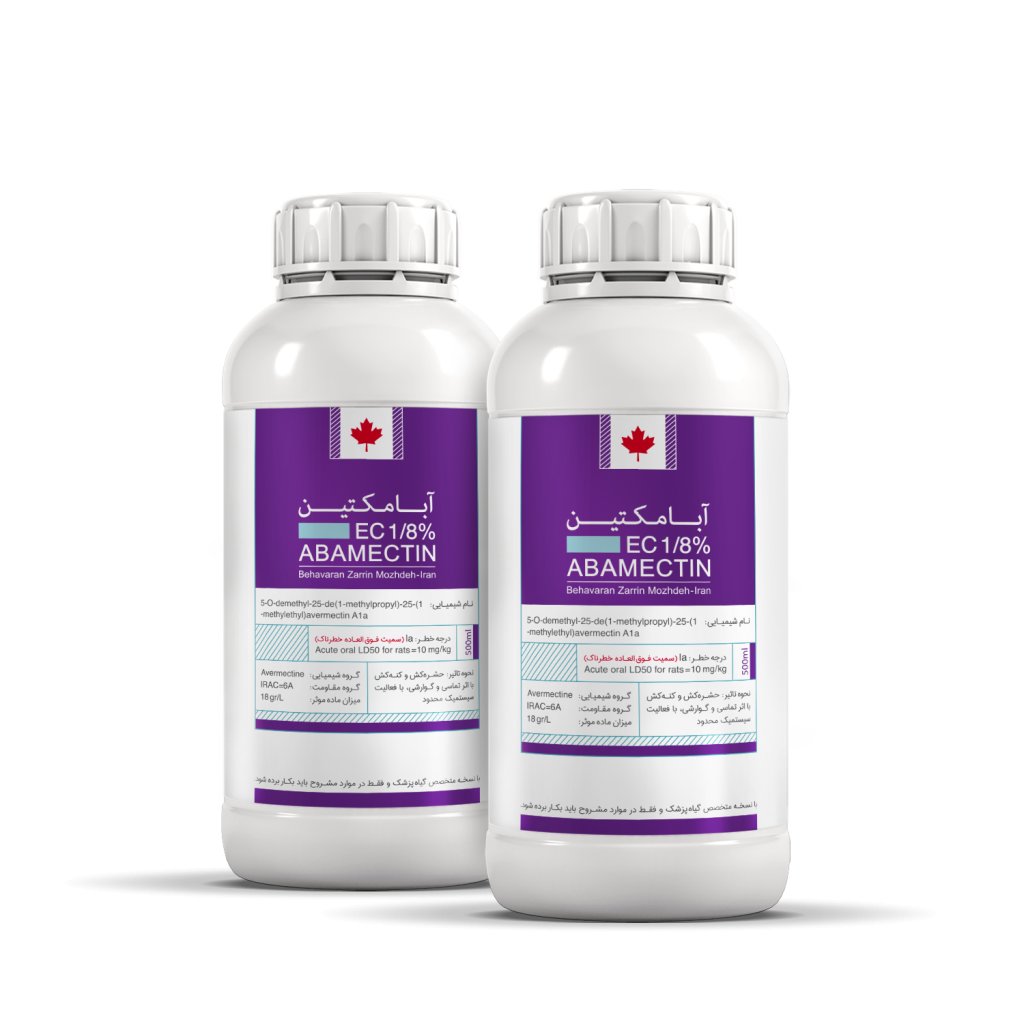
* Abamectin Behavaran
* Spiromesifen
* Diflubenzuron
Pesticides should always be used according to agricultural expert recommendations to avoid resistance development.