
The Importance of Manure: Benefits, Comparison, and Application
Benefits of manure
1. Improves soil structure and fertility: Manure adds organic matter to the soil, increasing its structure and fertility. This improves soil aeration, water retention, and nutrient availability, leading to healthier crops. For example, studies have shown that the use of manure can increase soil organic matter (OM) by more than 60 percent, significantly improving soil health and fertility. 2. Affordable and sustainable: Livestock manure is often available at low cost or even for free on local farms, making it a cost-effective alternative to synthetic fertilizers. It also reduces the need for energy-intensive nitrogen fertilizers and contributes to a more sustainable farming practice.

3. Environmental benefits: The use of manure can increase soil carbon, reduce soil erosion, and reduce nitrate leaching. These benefits contribute to a healthier environment and reduce the effects of climate change. Properly applied manure has been shown to reduce soil erosion by 13 to 77 percent and runoff by 1 to 68 percent.
4. Nutrient Supply: Livestock manure provides a balanced mix of macronutrients and micronutrients necessary for plant growth and ensures sustainable crop productivity. It contains primary macronutrients such as nitrogen, phosphorus, and potassium, as well as secondary macronutrients such as calcium, magnesium, and sulfur.
5. Fight diseases and pests: Fertilizer can help suppress plant diseases and pests by improving soil health and promoting beneficial microbial activity.
Is cow manure better, sheep manure, or chicken manure?
| Percentage of elements | Benefits for the soil | Important points | |
| Cow manure | The percentage of nitrogen and phosphorus is lower than that of chicken manure, and the percentage of NPK is 0.6-0.2-0.5, respectively. | It improves soil structure and is suitable for most agricultural crops. | Composting is recommended before use. It is generally more available and affordable. |
| Sheep manure | Provides a balanced combination of nutrients. | It is suitable for various plants due to its balanced nutrients. | It is less commonly used but is effective for improving soil fertility. |
| Chicken manure | Rich in nitrogen and phosphorus, with an NPK ratio of around 3-2-2 for composted forms. | It is great for acid-loving plants but must be composted to prevent burning the plants. | It has more nutrients than cow manure but requires proper composting. |
Which fertilizer is better?
The choice between cow, sheep, and chicken manure depends on specific needs:
- Cow manure is ideal for improving soil structure and is generally more accessible.
- Sheep manure provides a balanced nutrient profile, making it versatile for a variety of crops.
- Chicken manure is superior due to its high nutrient content, but it requires careful handling to prevent damage to the plant.

How to use manure?
1. Composting: To reduce pathogens and prevent plant burning, always compost manure, especially chicken manure. Mix it with organic materials such as wood chips, sawdust, and straw.
2. When to use manure: Spread manure in the fall or early spring so that it decomposes in the winter or before planting.
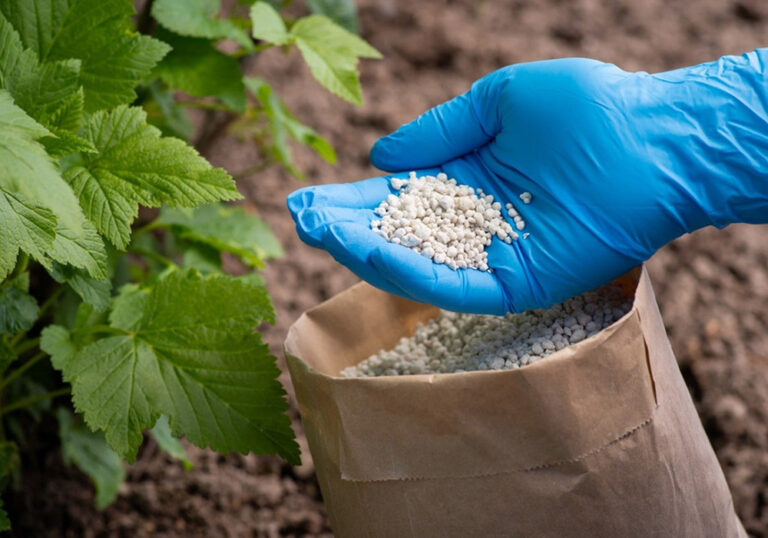
3. How to use: Spread a thin layer of composted manure evenly throughout the garden to avoid over-fertilizing. For best results, mix it into the soil.
4. Safety precautions: Avoid direct contact with plant materials to prevent contamination and follow guidelines for organic farming practices.
Environmental benefits of using manure
Fertilizer application, when managed properly, offers several environmental benefits:
- Increase carbon: Livestock manure can increase soil carbon levels, helping to reduce atmospheric carbon dioxide and mitigate climate change.
- Reduces soil erosion: Manure improves soil structure, which leads to increased water infiltration and reduced soil erosion. Studies have shown a significant reduction in soil erosion and runoff after the application of manure.
- Reduce nitrate leaching: By improving soil structure and microbial activity, manure application can reduce nitrate leaching into waterways and protect aquatic ecosystems.
- Energy efficiency: Using manure reduces the use of synthetic nitrogen fertilizers, which are energy-intensive to produce. This change can reduce greenhouse gas emissions and fossil fuel consumption.

How to decompose manure
There are various methods for composting manure, most of which are based on depositing and the decomposition process with the help of bacteria. For this purpose, deposit the manure to a height of one meter and a length and width of two meters, 2 by 2 meters. For each ton of cow manure, mix 40 kilograms of sawdust or 120 kilograms of straw and chaff, and for each ton of chicken manure, mix 400 kilograms of sawdust in layers, and at the same time add water to these mixtures so that there is sufficient moisture. In this method, after the deposit, we need to mix it every week in the first three months, because the temperature of this mixture in the center reaches 50 to 60 degrees Celsius. By mixing, we help all the contents to be exposed to high temperatures and the decomposition process. The best time to decompose manure is early spring or early autumn. To accelerate the process of composting manure, we can use sawdust, urea fertilizer, sulfur fertilizer along with bacteria.
Challenges and opportunities in the use of manure
Despite its benefits, using livestock manure as fertilizer has some challenges:
- Transportation costs: The cost of transporting manure can be high, especially if it is not available locally. However, technologies such as composting or granulation can facilitate transportation.
- Nutrient balance: Livestock manure may not provide the exact balance of nutrients required by crops, necessitating the use of additional fertilizers. Farmers can use a combination of livestock manure and chemical fertilizers in agriculture to reap the benefits of both types of fertilizers.
- Environmental pollution: Livestock manure may contain weed seeds or harmful pathogens and parasites that may cause contamination to animals, gardens, or farms. Therefore, following hygiene tips and the composting process can reduce these possibilities.
Conclusion
Manure is a valuable resource for improving soil health and promoting healthy agriculture. By understanding the benefits and characteristics of different types of manure, farmers and gardeners can make informed decisions about how to best use this natural fertilizer. Proper application and management of manure not only improves crop yields but also contributes to environmental sustainability by reducing soil erosion, nitrate leaching, and greenhouse gas emissions.