
Humic acid is a major component of humic substances formed from the decomposition of plant and animal residues. Known among farmers for its dark color and ability to improve soil properties, it has become an essential element in both organic and conventional farming methods. Humic acid plays a key role in enhancing nutrient uptake, improving soil structure, and stimulating microbial activity, all of which contribute to healthy plant growth and higher agricultural productivity.
What is humic acid made of?
Humic acids are formed through the microbial decomposition of organic matter. They consist of complex molecules rich in carbon, oxygen, and hydrogen, with smaller amounts of nitrogen, sulfur, and phosphorus. These compounds allow humic acids to interact with soil particles and nutrients, increasing their availability to plants.

What are the benefits of Humic acid in agriculture?
- Soil Aeration and Structure Improvement
Humic acid helps create a porous and permeable soil structure, improving root penetration and allowing plants easier access to water and nutrients. This is particularly effective in reducing soil compaction, which is a common problem in agricultural fields. By enhancing soil aeration, humic acids also promote the growth of beneficial microorganisms, which play a crucial role in nutrient cycling. - Enhanced Nutrient Uptake
Humic acids act as natural chelators, binding essential micronutrients such as iron, zinc, and manganese, and making them more available to plants. This process is especially important in nutrient-poor soils. By improving nutrient uptake, humic acids help plants grow stronger, more resilient, and achieve higher yield and quality. - Nutrient Retention and Availability
Humic acids increase the soil’s cation exchange capacity (CEC), helping retain nutrients in the root zone and reducing leaching. This results in better nutrient availability for crops throughout the growing season. This property is particularly valuable in regions with heavy rainfall or irrigation, where nutrient leaching can be a significant issue. - Improved Soil Water-Holding Capacity
Humic acid enhances the soil’s ability to retain water, reducing the need for frequent irrigation. This is especially beneficial in arid regions or during dry periods, ensuring plants have a steady water supply. Improved water retention also helps reduce soil erosion and runoff, maintaining soil health over time. - Stress Resistance and Plant Health
By improving nutrient uptake and overall plant health, humic acid strengthens the plant’s defense mechanisms, making crops more resistant to pests and diseases. This resilience is important for reducing reliance on chemical pesticides and maintaining ecosystem balance.
How Does Humic Acid Differ from Fulvic Acid?
Although both humic and fulvic acids are derived from humic substances, they have distinct properties and benefits in agriculture.
Humic Acid vs. Fulvic Acid: Key Differences
- Mode of Action: Humic acid primarily works in the soil, improving soil structure and nutrient availability, whereas fulvic acid focuses more directly on enhancing plant physiology.
- Nutrient Uptake: Both acids improve nutrient absorption, but fulvic acid, due to its smaller molecular size, is more efficient at transporting nutrients into plant cells. This makes fulvic acid particularly effective for foliar applications.
- Seed Germination: Fulvic acid promotes faster and more uniform seed germination, giving crops a strong start. This is attributed to fulvic acid’s ability to enhance cell membrane permeability, allowing seeds to absorb water and nutrients more efficiently.
- Stress Tolerance: Fulvic acid increases plant tolerance to environmental stresses such as drought, heat, and salinity. Its ability to improve nutrient uptake helps plants maintain optimal physiological functions even under adverse conditions.
Applications of Humic Acid in Agriculture
Humic acids have diverse agricultural applications, including:
- Soil Amendment: Added to soil to improve structure, increase nutrient availability, and enhance microbial activity.
- Fertilizer Enhancer: Used alongside fertilizers to boost nutrient uptake by plants and reduce nutrient leaching, maximizing fertilizer efficiency and minimizing waste and environmental impact.
- Seed Treatment: Applied as a seed coating to improve germination rate and seedling vigor. Humic acids can also be used to soak seeds before planting, enhancing early growth stages.
- Stress Resistance: By promoting overall plant health, humic acids help plants withstand environmental stresses such as drought and disease.
Applications of Fulvic Acid
Fulvic acid is primarily used to enhance plant physiology and improve nutrient uptake and utilization. Its applications include:
Applications of Fulvic Acid (continued)
- Foliar Spray: Applied as a foliar spray to directly enhance nutrient absorption through leaves. This method is particularly effective for correcting micronutrient deficiencies and supporting plant growth during critical stages.
- Seed Soaking: Used to soak seeds before planting to promote faster germination and stronger seedlings. Fulvic acid’s ability to increase cell membrane permeability makes it an excellent option for seed treatment.
- Stress Management: Helps plants tolerate environmental stresses and improves overall resilience. By maintaining optimal nutrient levels, fulvic acid supports plant health even under challenging conditions.
Case Studies and Examples
Several case studies have demonstrated the effectiveness of humic and fulvic acids in agriculture. For example, in areas with poor soil fertility, the use of humic acid significantly improved crop yield by increasing nutrient availability. Similarly, fulvic acid has been shown to accelerate seed germination and enhance plant drought tolerance, resulting in better crop establishment and survival.
When to Use Humic Acid
The best time to apply humic acid in field crops is at the beginning of the growing season, after transplanting seedlings and once plants are established in the field. For orchard trees, it is recommended in late winter before bud swelling, during fruit growth stages, and for seedlings, it can be used throughout the year.
Powdered vs. Liquid Humic Acid
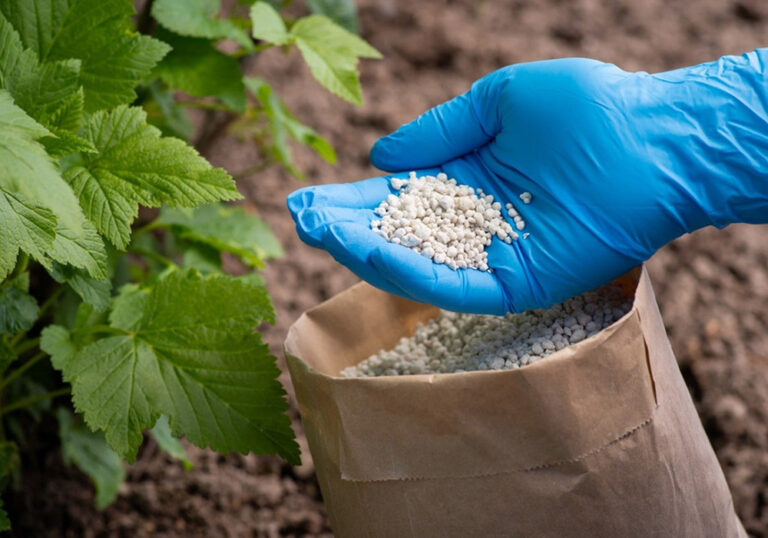
Typically, powdered humic acid contains higher concentrations of both humic and fulvic acids compared to liquid forms. However, in terms of application methods, both powdered and liquid humic acids are commonly applied via irrigation.
Conclusion
Humic acid fertilizers provide a natural and effective way to improve soil health, increase nutrient uptake, and promote sustainable agricultural practices. While both humic acid and fulvic acid have their unique benefits, they complement each other well in achieving healthier crops and more productive agricultural systems. As agriculture continues to evolve, incorporating these substances into farming practices will be crucial for achieving higher yields, reducing environmental impacts, and ensuring a sustainable future for agriculture.