Weight

Behavaran

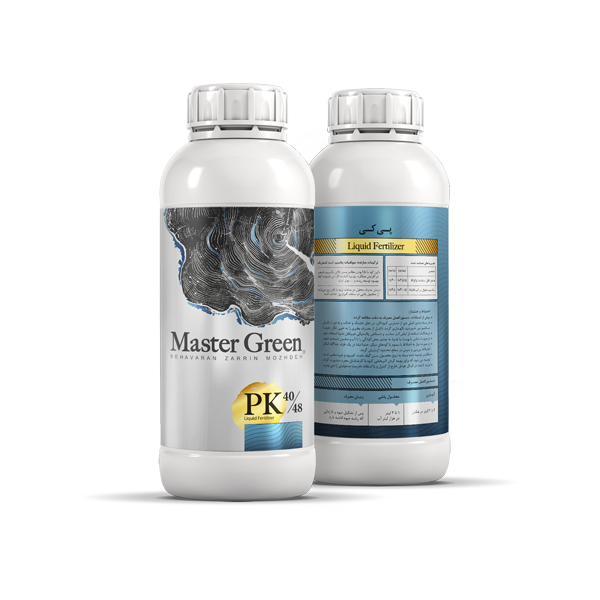
PK 40/48

GREEN WORLD

Green World PK 40/48 Potassium Phosphite fertilizer enhances plant immunity, improves flowering and yield, boosts fruit quality, and increases resistance to diseases and environmental stress.

PK 40/48 (Potassium Phosphite)

Brand: GREEN WORLD

Packaging: 1000 ml

  • PK 40/48 fertilizers, also known as Potassium Phosphite, refer to a group of agricultural fertilizers containing phosphorus and potassium, but they differ in composition and purpose.
  • PK 40/48 fertilizer contains 40% phosphorus (P) and 48% potassium (K), expressed respectively as P₂O₅ (phosphate) and K₂O (potash). For example, PK 40/48 means approximately 40% phosphate (P₂O₅) and 48% potash (K₂O).
  • In addition to its nutritional role, potassium phosphite stimulates the production of phytoalexins, strengthening the plant’s immune system. This effect increases plant resistance to a wide range of fungal and bacterial pathogens. It also helps reduce damage caused by chewing and sucking insects, improves fruit quality, and enhances resistance to environmental stresses.
  • Potassium fertilizers containing 48–50% K₂O are commonly used for crops with high potassium demand, such as potatoes and tomatoes, to improve yield and quality. Potassium is essential for plant functions including water regulation, nutrient transport, starch and protein synthesis, and nitrogen fixation in legumes.
  • Phosphorus is essential for energy transfer and root development in plants. Application rates depend on soil test results. Critical soil test levels of phosphorus and potassium ensure optimal crop performance without excessive fertilizer use.
  • The best method of applying potassium phosphite fertilizer is foliar spraying on field crops, orchard crops, and greenhouse plants. For tall trees such as walnut, it can also be applied through fertigation. One important application of potassium phosphite is in seedling production greenhouses, where foliar spraying increases resistance to various diseases.
  • One of the most important uses of potassium phosphite fertilizer is application to field crops and cucurbit vegetables before flowering and fruit set, as it enhances flower induction and increases crop yield.

Application Rates

    • Field crops (foliar application): 2 – 3 liters per hectare

    • Field crops (fertigation): 5 – 7 liters per hectare
      (From early growth stage to post-flowering, repeated 2–3 times)

    • Fruit trees (foliar application): 2 – 3 liters per 1000 liters of water

    • Fruit trees (fertigation): 5 – 10 liters per hectare

Product Amount of Consumption Method of Consumption
Field crops 2 – 3 kg per hectare foliar application
Field crops 5 – 7 liters per hectare fertigation
Fruit trees 2 – 3 liters per 1000 liters of water foliar application
Fruit trees 5 – 10 liters per hectare fertigation

Additional information

Soluble P (P2O5)

40%

Soluble K (K2O)

48%

  • Do not exceed the recommended application rate.
  • Avoid spraying during intense sunlight or high temperatures.
  • Keep out of reach of children.
  • Do not mix with calcium-based or strongly alkaline products without testing compatibility.
  • Shake well before use.
  • Apply during early morning or late afternoon.
  • Use clean spraying and irrigation equipment.
  • Perform a small-scale compatibility test before tank mixing with other fertilizers or pesticides.
  • Avoid application near surface and groundwater sources.
  • Do not dispose of leftover solution or empty containers in the environment.
  • Dispose of packaging according to local environmental regulations.
  • Balanced use reduces nutrient leaching and supports sustainable crop management.

Related products