
Citrus Gummosis Disease
Citrus gummosis is observed in citrus orchards in the northern and southern regions of the country, especially in orchards that use traditional flood irrigation systems and have heavy soils with poor drainage. One of the most important causal agents of this disease is fungi of the genus Phytophthora spp.
Symptoms and Damage of Citrus Gummosis
The collar region near the soil surface undergoes decay, and blister-like lesions appear on the rootstocks. In infected trunks, the bark develops cracks from which gum exudes. Gradually, the disease spreads, leaf veins turn yellow, and if the pathogen is eliminated, the tree repairs these lesions by forming cork tissue. The greatest damage caused by this disease is observed in nurseries and young orchards, leading to leaf drop and dieback of trees.
The causal fungus initially infects the roots, destroys lateral roots, and causes softening and discoloration of the root bark. These symptoms are particularly severe on susceptible rootstocks. The optimum temperature for the activity of this fungus is around 30 °C, with a maximum of 40 °C.
Management and Control of Citrus Gummosis
A combination of practices is effective in controlling this disease, including the use of tolerant rootstocks, maintaining an appropriate distance between the graft union and the ground, using modern irrigation systems instead of flood irrigation, improving drainage, keeping the orchard—especially the collar area—clean, removing weeds, positioning the collar above the soil surface, and sealing wounds with fungicide-containing paste.
Fungicides such as copper oxychloride at 1%, Bordeaux mixture (Bordofix) at 5–10%, fosetyl-aluminum at 2 per 1000, and the combined fungicide mancozeb + chlorothalonil + cymoxanil at a rate of 30 g per liter of water are recommended for disease control using the painting method.
Citrus Anthracnose Disease
Citrus Anthracnose Disease (Citrus Black Spot)
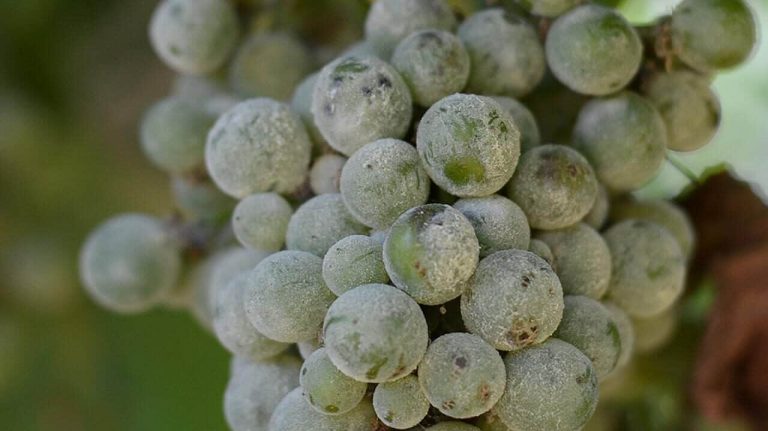
Citrus anthracnose, also known as citrus black spot, is a common disease that mainly attacks weak and stressed trees. The causal agent (Glomerella cingulata) overwinters on branches and leaves and is spread by rain and dew droplets. Symptoms of the disease include twig dieback, wilting, yellowing, and leaf drop. Initially, light green spots appear, which later turn brown and are accompanied by black dots. In addition, grooves or cracks are observed on branches, which eventually lead to branch dieback.
Management and Control of Citrus Anthracnose
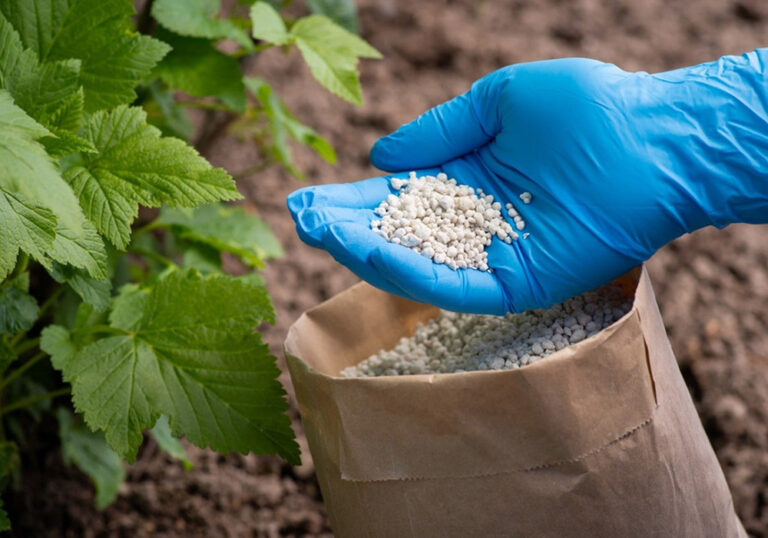
Since anthracnose mainly damages weak and stressed trees, strengthening trees through proper fertilization and adequate irrigation, pruning infected branches, controlling pests and weeds, and maintaining orchard sanitation are effective in reducing disease incidence. In addition, it is recommended to spray copper-based compounds such as Bordofix or copper oxychloride in autumn after pruning dried branches.
Thomson Navel Fruit Rot Disease
This disease occurs in navel citrus cultivars during the fruit development period, causing fruit drop in the orchard and fruit rot during storage. Most of the damage has been reported in eastern Mazandaran Province, with average losses estimated at up to 5%.
The causal agent (Alternaria alternata) overwinters on old wounds on branches and leaves. It is spread by wind or rain and infects young and sensitive plant tissues. Damage caused by black rot is internal; in early summer, fruits show yellowing of the navel, followed gradually by browning of the navel tissue. In mid-spring, brown spots appear on fruits or along the margins of leaves.
Management and Control of Thomson Navel Rot
Pruning and removal of infected plant residues, avoiding excessive irrigation and overuse of nitrogen fertilizers, providing proper ventilation in storage facilities, inspecting fruits inside boxes, and observing proper storage conditions such as suitable temperature and humidity are effective in reducing the incidence of this disease.
Citrus Dieback Disease
Citrus dieback is one of the important diseases of citrus trees and is in fact considered a major citrus disease in the southern regions of the country, while it is not of great importance in northern areas. The causal agent of this disease is the fungus Nattrassia mangiferae. The disease is mostly observed in Kerman Province and on sour orange, lemon, orange, and grapefruit trees, and in Dezful citrus orchards it has been reported mainly on Lisbon lemon.
The causal agent of dieback or citrus decline causes wilting and drying of terminal branches in the early stages (mid-spring), with symptoms intensifying as temperatures rise. Initially, leaves dry while remaining green, then gradually turn brown but do not fall from the branches; eventually, the shoot tips dry out. Disease symptoms spread from the upper branches downward toward the main trunk. Longitudinal cracks with yellow gum exudation may be observed on the trunks of infected trees.
Management and Control of Citrus Dieback
Proper nutrition and strengthening of trees, adequate irrigation throughout the growing season, application of fungicides to wounds or pruning cuts, and the use of resistant or less susceptible cultivars such as orange, mandarin, and sour orange are effective in reducing damage caused by this disease.
Citrus Blast Disease
Citrus blast is mainly a disease of citrus in northern regions of the country and is caused by species of the bacterium Pseudomonas. The main damage appears as wilting and dieback of shoot tips. Citrus blast has been reported mainly in Mazandaran, Sari, Behshahr, Fars, and Sepidan. The bacterium causes blossom blast, bud dieback, black spots on fruits, stem canker, leaf blight, and eventually shoot dieback.
Management and Control of Citrus Blast Disease
To reduce the incidence of this disease, it is essential to observe proper planting distances, use windbreak trees, remove trees infected with viral or virus-like agents, and plant resistant species and cultivars (sour orange, Washington Navel, Alamo, Alem, and lemon are susceptible to the disease). Avoid the use of nitrogen fertilizers in autumn, winter, and early spring in orchards with a history of the disease. In addition to the management practices mentioned above, spraying copper-based fungicides such as Bordofix or copper oxychloride during autumn and winter, before the onset of rainfall, is recommended.
Citrus Bacterial Canker Disease
Citrus canker is more commonly observed in southern regions such as Bushehr, southern Kerman, Hormozgan, Fars, Sistan and Baluchestan, and Kohgiluyeh and Boyer-Ahmad. The disease mainly develops in areas with high rainfall and high temperatures. Citrus canker symptoms are more pronounced on newly grown shoots, seedlings, and young trees, while sensitivity decreases as branches and foliage mature. The suitable temperature range for disease development is a minimum of 10 °C and a maximum of 38 °C. Disease damage appears as round, raised, corky, yellow lesions on fruits and on the undersides of leaves.
Management and Control of Citrus Bacterial Canker
One of the most important preventive measures to avoid disease entry is controlling pests such as the citrus leaf miner. Excessive use of nitrogen fertilizers should be avoided. Pruning and removal of infected branches should be carried out during the dry season. Resistant rootstocks such as mandarin and Valencia orange should be used. Infected trees should be properly removed, and surrounding trees should be carefully managed. In addition, spraying with copper-based fungicides such as Bordofix at a rate of 8 per 1000 at the bud-swelling stage and 5 per 1000 after petal fall, with repeated spraying every 15 days, is recommended to reduce disease incidence.
Conclusion
In this article, an attempt was made to introduce some of the most important citrus diseases, including gummosis, anthracnose, navel fruit rot, citrus dieback or decline, blast, and citrus bacterial canker, along with their control methods. In general, it can be concluded that to reduce damage caused by various diseases in citrus orchards, the following practices are essential: proper irrigation and nutrition, avoiding excessive use of nitrogen fertilizers, timely and proper pruning, the use of copper-based compounds such as Bordofix and copper oxychloride fungicides, and the application of fertilizers containing potassium, calcium, and copper.